
Categories
Blog Data Analytics

Top 10 Data Cleaning Tools for 2026

Do you use data in your daily work life? Then you might already know just how frustrating and limiting messy data can be.

Over the years, multiple studies have shown that poor data quality results in trillions of dollars in wasted costs each year. This is a cost borne by global companies, resulting in time wastage and missed opportunities.

The solution? Organising your messy data using the right data cleaning tools.

Such data-cleaning tools can help you automatically identify and fix errors through their database services. They can accurately spot duplicates or outdated information.

Using such tools for data cleansing allows you to validate your emails and leads. It results in fewer errors and more accurate predictions & reports.

To help you in choosing the best data cleaning tools for your needs, I have created this detailed guide. It will walk you through the top data quality tools available in 2026 for your usage.

Whether it’s enterprise-grade solutions or free open source data cleaning tools, I have got you covered! Let’s dive in with a quick comparison.

Quick Comparison: Top Data Cleaning Tools

Need just the basics to get started? Here is my complete list of the best data cleaning tools in 2026.

Tool Best For Key Strength Deployment
Informatica Cloud Data Quality Large enterprises Comprehensive data governance Cloud & On-premise
Ataccama ONE AI-powered automation Unified data trust platform Cloud & On-premise
Qlik Talend Cloud Mid-market & technical teams Open-source flexibility Cloud
Precisely Data Integrity Enterprise data governance AI agents for data quality Cloud
AWS Glue DataBrew AWS users Visual data preparation Cloud
OpenRefine Small teams & budgets Free, open-source power tool Desktop
Alteryx Analysts & data teams Visual data preparation Cloud & Desktop
Tibco Clarity Interactive data cleansing Visual discovery & profiling Cloud & On-premise
Oracle Enterprise Oracle shops Master data management On-premise
dbt Data modeling teams SQL-based transformations Cloud & Open-source

Top 10 Data Cleaning Tools for 2026

Here is a more detailed look at the best data cleansing tools: 

Precisely Data Integrity Suite

Precisely Data Integrity Suite data quality management software interface

Best For: Enterprises that require complete data governance

Precisely is known as a global leader for providing data integrity solutions. They are a trusted Fortune 100 company.

Their Data Integrity Suite is best suited for automating modern data workflows. Using new AI-powered agents, your data will always remain clean and ready to use.

Key Features:

  • AI agents for recommending and creating rules
  • Automatically standardizing and normalizing data
  • Verification for addresses and geocoding

Informatica Data Quality

Informatica Data Quality platform for enterprise data quality management

Best For: Large enterprises

Acting as your complete data quality management software, Informatical provides comprehensive services. They offer a range of profiling tools and quality checks to ensure accurate, consistent data.

Informatical even has matching algorithms in place that work across multiple systems.

Key Features:

  • Data profiling across millions of records in its database
  • Master data management by creating a single source of truth
  • Matching duplicates even in fuzzy or mispelled variations

Ataccama ONE

Ataccama ONE AI-powered data quality and governance platform interface

Best for: AI-powered automation

Named as a Leader in the 2026 Gartner Magic Quadrant, Ataccama is an emerging modern solution. The platform is known for combining data quality tools with better governance under a single architecture.

Key Features:

  • Automating rule creation using AI agents
  • Unified platform for both data quality and governance
  • Transforms both structured and unstructured data

Qlik Talend Cloud 

Qlik Talend Cloud data integration and data quality platform interface

Best for: Mid-market companies

Using open-source flexibility, Qlik offers enterprise features at competitive prices. The platform combines both data integration and cleaning.

Key Features: 

  • Visualised workflow designer
  • Pre-built components for data quality
  • On-premise and cloud deployments

AWS Glue DataBrew

AWS Glue DataBrew visual data preparation and data cleaning tool interface

Best For: Organisations that are already using AWS services

One of the best visual data preparation tools you can use today is AWS Glue DataBrew. This tool provides a range of advanced features for data analysts to properly clean and normalize data.

You can use over 250 prebuilt transformations to make your daily data preparation tasks easier. It even supports automation features without writing a single line of code!

Key Features: 

  • Automated detection of data anomalies
  • Complex visual data profiling
  • Pay-as-you-go pricing structure

OpenRefine 

Best for: Small teams on tight budgets

OpenRefine is a free, powerful tool known for making it easy to handle messy data.

OpenRefine is an open-source data-cleaning tool that can run locally on your computer. This allows you to process your data offline and then shift it using any data migration tools.

Key Features:

  • Merging algorithms that help identify similar values
  • Pattern exploration using faceted browsing
  • Free software with undo/redo options

Alteryx Designer Cloud

Best For: Analysts and data teams

In need of visual data wrangling features? Then you should use Alterux.

Alteryx is well known for helping analysts convert messy datasets into easy functions. It can convert unstructured data into striking visual data analytics.

Key Features: 

  • Visual data profiling that clearly shows quality issues
  • Suggested transformations using machine learning
  • Easy-to-use interactive data preparation interface

Tibco Clarity

Best For: Interactive data cleaning

Tibco Clarity is a great option for those looking to make their data cleansing interactive.

It achieves this by using a visual interface that streamlines your data quality. Using Tibco, you can make your data discovery and data transformation easier than ever.

Key Features:

  • Cleansing and standardizing your data
  • Smart trend and pattern detection
  • Advanced rule-based validation of your data

Experian Data Quality 

Best For: Enterprise management of customer data

Experian offers enterprise-level data quality management software for organizations. You can use this to sort complex customer databases properly.

Key Features:

  • Real-time validation as you input the data
  • Batch data cleansing capabilities
  • Supports global address, email, and phone verification

dbt (data build tool)

Best for: SQL-based transformations

‘dbt’ is a unique tool that lets teams manage data modeling within their warehouse. It uses SQL and applies software engineering practices to optimize data pipelines.

The best part? It is one of the open-source data cleaning tools that is completely free!

Key Features:

  • Advanced SQL-based modeling with built-in testing
  • Automated documentation and data lineage
  • Completely free and open-sourced

How to Choose the Right Data Cleansing Tools

Confused between two or more tools for your data cleansing? Here is how you can make your decision easier.

Your Situation Best Tool Category Example
Large enterprise with multiple systems Enterprise data quality Informatica, Ataccama, Precisely
Small team with limited budget Open source OpenRefine
AWS cloud environment Cloud-native tools AWS Glue DataBrew
Need a visual, no-code interface Visual data prep Alteryx, Tibco Clarity
Oracle shop Oracle ecosystem Oracle EDQ

Conclusion

Choosing the right data quality tools is a very important step towards optimizing your organization. In this modern age, cleaning your data can turn it into a reliable asset.

Moreover, clean data can be the first step towards completing a major data project.

This could mean data migration to a new CRM or building a company-wide dashboard. But for that, you will require additional support from the right expert.

If you are planning such a large-scale data project, I recommend consulting our experts at Augmented Systems. They specialize in turning your data into your most valuable asset!

Our team consists of experts who can handle everything from data migration services to data quality implementation. They understand the dynamic challenges of cleaning data at scale and adapt accordingly.

Need help in choosing the right data strategy or cleaning platform? Feel free to contact Augmented Systems today to solve your queries easily!

FAQs

1. What are data cleaning tools, and why do I need them?

Data cleaning tools are software solutions that automatically identify and fix errors in your databases, such as duplicates, missing values, and incorrect formats. You need them because poor data quality costs businesses billions annually and wastes team time on bad information instead of productive work.

2. What are the best data cleaning tools for 2026?

The best data cleaning tools in 2026 include Informatica and Ataccama for enterprise needs, OpenRefine for free open-source cleaning, and dbt for SQL-based transformations. The right choice depends on your budget, team size, and specific data challenges.

3. What is the difference between data quality tools and data cleaning tools?

Data quality tools are a broader category that includes cleaning, but also covers data profiling, monitoring, governance, and enrichment. Data cleaning tools specifically focus on fixing existing errors, such as duplicates and data standardization. Most modern data quality management software includes cleaning as one of many features.

4. Are there good open-source data cleaning tools available?

Yes. Open-source data cleaning tools like OpenRefine offer powerful features for free. OpenRefine handles messy data with clustering algorithms and faceted browsing, running locally on your machine. For teams comfortable with code, Python libraries like Pandas and R’s tidyverse are excellent free options.

5. How do data cleaning tools fit into data migration services?

When you move data between systems, data migration services should always include cleaning as a critical step. Data preparation tools ensure your new system doesn’t inherit old problems, such as duplicates or inconsistent formats. Professional data migration services use these tools to validate and cleanse data before loading, protecting your new investment.

Categories
Blog Data Visualization

Power Query and Power BI: A Perfect Combination for Data Analysis?

Overview

There is often confusion between Power Query and Power BI, and the benefits they provide when used together.

Here is a simple explanation:

Power Query is a strong data preparation tool that helps you organize your raw data in Power BI.

Power BI is a reporting platform that can transform this clean data into interactive visual insights and analytics.

Basically, Power Query helps prepare your data in Power BI, converting your raw data into a visual story.

Wondering how? Don’t worry, as in this blog, I will identify the unique benefits of Power Query in Power BI and how they can work together for accurate data visualization. 

__________________________________________________________________

Trying to understand the various tools provided by Microsoft can be frustrating. Even though they are incredibly powerful, beginners might find it hard to distinguish between their similar-sounding benefits.

This is precisely why many people often get confused between Power Query and Power BI. Since Power Query is an invaluable feature in Power BI, understanding its unique benefits is essential.

Using this blog, I will help you recognize the benefits of Power Query and Power BI and how they work together. It will help you understand how to use Power Query in Power BI to refine your data visualization workflow.

What is Power BI? 

Power BI is a powerful and complex data visualization tool. It helps you create interactive dashboards from your raw data.

The main benefit I found while using Power BI is how it presents complex analytics in a simple, easy-to-understand way. Using interactive charts and graphs, you can easily create and share reports from your data. Moreover, even complicated calculations are made simpler with the usage of DAX (Data Analysis Expressions).

Power BI features are designed to make your data-driven decisions easier by turning your categorized data into actionable visual insights.

What is Power Query in Power BI? 

Power Query is a data transformation tool that is built right into Excel and Power BI. In essence, it is a data cleaning assistant that helps you organize your raw data into a structured format.

The primary benefits of Power Query are to connect various data sources and clean up errors and duplicates in your bulk data. It offers easy-to-use features that help you format everything consistently.

The best part? Because every step you take is continuously recorded, you can simply click “Refresh” and repeat the entire process. Since I use this feature mainly to organize my finances, this automation is genuinely incredible. I can just hit “Refresh” every quarter and watch Power Query automatically categorize my data from past sources for a new financial quarter.

Main Benefits of Power Query in Power BI

  • Saves time by repeating mundane data cleaning and categorization.  
  • Ensures consistency by applying the same rules every time. 
  • Handles complexity by combining data from different sources. 
  • Reduces errors that often occur through manual copy-pasting.

How to Use Power Query and Power BI Together 

There is a reason why Power Query is built into Power BI. It’s because they are designed to work together.

You can think of Power Query as a Power BI connector that adds functionality to your dashboard. Using them, you will be able to structure your raw data and then turn it into engaging visualizations.

Let us see how you can achieve this in your own Power BI worksheet!

Steps to Optimize Your Workflow 

Below is what your typical workflow will look like using Power Query in Power BI for your data visualization:

  1. Open Power Query in your Power BI Desktop to import and clear your data from different sources.
  2. Shape your data by removing blanks and adding the required table formatting inside Power Query.
  3. Load the clean data into Power BI’s modeling space, readying your now categorized data for calculation and processing.
  4. Switch to the Report view on your Power BI to design visualizations and build dashboards from your data.
  5. Publish your final visualization to your team using Power BI online services.

Applications of Power BI in Power Query

With the combined power of Power Query and Power BI, you will gain access to a host of new business applications. From automating your everyday reporting to deep strategic analysis, Power Query in Power BI has a usable benefit for every industry.

Power Query in Power BI also empowers data visualization consultants and specialists to understand your business’s future. Using its features, you can easily clean your data and prepare it for insights.

Here are some of the most popular Power Query advantages in Power BI:

  • Business Intelligence: Use Power Query in Power BI to transform data and build interactive dashboards that track valuable insights. 
  • Financial Analysis: The combined power of Power Query and Power BI enables real-time forecasting and accurate budget tracking for your business. 
  • Marketing Analytics: Gain visual insights into how your customers engage with your business and measure the ROI of your campaigns. 
  • Operational Management: Use the benefits of Power Query to manage your supply chain and inventory data easily with automatic updates and optimizations. 
  • HR Analytics: Merge your payroll and recruitment data to create a unified dashboard that showcases workforce trends and numbers.

These are just some of the many applications of Power Query and Power BI in businesses. To ensure proper utilization of this advanced tool, you will require the help of a data visualization expert.

When to Get Professional Support from a Data Visualization Expert

Planning to use Power Query and Power BI in your workflow for the first time? Be warned, you are likely to face severe issues.

Converting raw data into clean data points is a challenge in its own right. But also feeding this categorized data into Power BI within the same workflow requires deep expertise in both tools.
Moreover, advanced features like DAX come with their own set of problems and challenges. This is where a data visualization specialist can help you move past regular issues.

Challenge

How Experts Can Help

Complex Calculations

Implementing the right DAX formulas for your specific business logic

Performance Issues

Optimizing reports to load quickly, even with large datasets

Advanced Visualizations

Creating custom charts that tell your data story effectively

Team Training

Getting your staff up to speed on best practices

Consider engaging the services of data visualization experts from reputable organisations such as Augmented Systems.

Our experts can help you build reliable solutions and workflows for your team. They can also help you identify new Power Query advantages and how you can use them for your own benefit.

With years of experience in supporting both new and existing businesses globally, Augmented Systems is your best software consultant in this evolving technology market. Leveraging advanced features such as DAX functions in Power BI, our experts can help you enhance your daily workflow.

Excited to optimize your daily output? Consult our team today, and Augmented Systems can help you understand how to use Power Query in Power BI within a single workflow.

FAQs

1. What is the main difference between Power Query and Power BI?

Power Query is a dedicated data transformation and cleaning tool, while Power BI is a comprehensive platform for data visualization and business intelligence. Think of Power Query as the tool that prepares and shapes your raw data, which Power BI then uses to build interactive reports and dashboards.

2. How do I use Power Query in Power BI?

You use Power Query in Power BI through the “Transform Data” button in the Power BI Desktop. This opens the Power Query Editor, where you can connect to sources, clean data, and apply transformations. The cleaned data is then loaded into Power BI for modeling and visualization, streamlining your entire workflow.

3. What are the key benefits of Power Query for a data visualization specialist?

For a data visualization specialist, the primary benefits of Power Query are automation and reliability. It saves hours by automating repetitive data cleaning, ensuring consistency, reducing manual errors, and handling complex data merges. This creates a solid, trustworthy foundation for building accurate Power BI reports.

4. Why is Power BI data transformation easier with Power Query?

Power BI data transformation is easier with Power Query because of its intuitive, point-and-click interface. Instead of complex coding, you can filter, merge, and reshape data visually. Every step is recorded, allowing you to refresh your data transformation with one click whenever the source data updates, ensuring your reports are always current.

5. When should I hire a data visualization consultant for Power BI and Power Query?

Consider hiring a data visualization consultant when you need to establish best practices, design complex data models, or create enterprise-level dashboards. They can architect efficient Power Query workflows and leverage advanced Power BI features to turn your data into a strategic asset, maximizing your return on investment.

Categories
Blog Data Visualization

Top 10 Tableau Functions Every Analyst Should Know

As one of the more advanced data visualization and analysis tools, using Tableau can be challenging at first.

And to truly master Tableau and make the most of it?

You will need to understand how its functions work!

Tableau functions are like Excel formulas: they work inside Tableau’s data editor and help you perform complex calculations in seconds.

More importantly, they will help you clean and segment data so that you can use it to create visualizations that actually help you make smarter decisions!

In this blog, I am going to give you a data visualization consultant’s Tableau functions cheat sheet.

It’s a selection of 10 functions that you can use to both simplify and enrich your Tableau data visualization experience.

Let’s get started!

Tableau Functions List: Table of Contents

  • What are Tableau Functions?
  • 10 Tableau Functions You Need to Know in 2026
  • Make the Most of Tableau with Augmented Tech Labs
  • Tableau Functions: FAQs

What are Tableau Functions?

Tableau functions are pre-built formulas that help us perform complex calculations without any manual heavy lifting.

In my experience, they are extremely important for three reasons:

  • Functions eliminate human error since the calculations are computerized. 
  • They help you clean, transform, and analyze data directly in Tableau. 
  • Using functions in Tableau allows you to control how your data is grouped. 

The best way to understand this is to consider Tableau as a toolbox and the functions as individual tools that allow you to get the job done!

How to Use Functions in Tableau?

To use a Tableau function, you will have to add it to a calculated field following a pattern such as this one: 

  • FUNCTION_NAME (Argument 1, Argument 2, …)

For example, if you enter the following function:

  • ROUND (AVG([Profit]), 2)

Tableau will calculate the average of the Profit data field and round the result to 2 decimal places.

10 Tableau Functions You Need to Know in 2026

1. DATEPART()

With this simple Tableau function, you can extract one part of the following data: 

  • Year
  • Month
  • Day

So, if you need to group your sales data by the quarter or any specific time unit, this is the function you will need to use!

For example, let’s say you need the details of every sale you made on 7th January, enter the function in this format: 

  • DATEPART (‘January’, [7]) 

This function can be very helpful if you need to recall faulty products or understand sales patterns over specific dates, like the 4th of July!

2. DATETRUNC()

Next up, we have one of my favorite functions: date truncate.

It helps you standardise your data to a “nearest point.”

So, if you want to find out all the purchases you made in the second quarter, this formula will reduce every entry from April to May to “1st April 2025.”

Here’s the function you can use to do this: 

  • DATETRUNC(‘quarter’, [Order Date]).

With this function, Tableau will go through the entire datasheet and add the relevant date to each entry!

3. DATEDIFF()

Data difference is a very simple and basic function. 

It calculates the difference between two given units in your dataset. 

However, it is also handy because you can use it to calculate things like the difference between the order date and shipping date for an entire dataset!

Here’s the formula for this function: 

  • DATEDIFF(‘unit’, [Field 1], [Field 2])

For example, to calculate the number of days it took to ship every order in your data set, just enter the function: 

  • DATEDIFF(‘day’, [Order Date], [Ship Date]) calculates shipping time

As I said, a straightforward but also extremely useful function!

4. IF / THEN / ELSE

If/then/else is one of the most important functions in Tableau. 

With it, you can define conditional logic that operates on the following basis: 

  • If A
  • Then B
  • Else C

The most common use case for this function is to segment data into different categories.

For instance, you can use it to differentiate between every deal where you earned a profit vs. every deal on which you lost money. 

Here’s an example of this function: 

  • IF [Profit] > 0 THEN “Profitable” ELSE “Loss” END

Similarly, you can use it to define your own conditional logic. 

To do this, just substitute the fields following the operators (If, Then, and Else) with the logic or condition you want to specify.

5. CASE

Next up, we have a Tableau function that builds on the If/Then/Else formula. 

That is because it helps you specify more than one condition in your if/then/else statement. 

Simply put, it allows us to break down complex statements into much cleaner formulas. 

For example, you can use a function like: 

  • CASE [Region] WHEN “West” THEN 1 WHEN “East” THEN 2 ELSE 3 END

Based on this formula, Tableau will segment your data into entries based on East, West, and “Other” regions!

This function is also very important if you want to create Tableau dashboards for specific regions, products, or teams! It will help you quickly separate and organise data into different fields. 

Also Read: Top Tableau Dashboard Examples for 2026

6. ISNULL()

ISNULL is one of the most important formulas on my Tableau functions cheat sheet. 

Its job is very simple: to help you find any missing or empty fields in your dataset. 

For example, let’s say you want to find out the difference between the sales for two sets of products: 

  • Those with discounted prices.
  • Those without discounted prices. 

The first thing you will need to do is separate the two products. 

That’s where you can use ISNULL!

Just enter the following formula: 

  • ISNULL([Discount]) 

And it will return “TRUE” for every transaction or entry on your dataset where the “Discount” field is blank!

7. CONTAINS()

Contains is basically the same as pressing Control+F on your keyboard. 

It helps you find all those strings on your data sheet that have a specific substring containing the combination of letters and numbers you have mentioned. 

It can be your go-to for filtering records based on partial matches. 

For example, if you enter the following function: 

  • CONTAINS([Comment], “urgent”) 

Tableau will flag all customer queries that mention the word “Urgent”!

8. FIND()

Find is similar to Contains: both of them help you filter fields on your sheet.

But find is for exact matches, whereas Contains is for partial matches. 

So, if you want to find all the transactions involving a specific serial number, just enter the following formula: 

  • FIND(“0123456789”, [Serial Number])

And Tableau will find all the products with the serial number you’ve entered!

One innovative use of this Tableau function is to create a “cluster” of customers who are purchasing the same product and compare their other purchases!

9. { FIXED } (LOD Expression)

The last two entries on my list are both LOD functions in Tableau. 

You can think of them as mini calculations that you can ask Tableau to perform on the data that underlies your visualizations. 

For example, say you are viewing the visualization of your sales data for the last year, and you notice a specific customer’s entry. 

Now, if you want to know their lifetime value, all you have to do is enter: 

  • { FIXED [Customer ID] : SUM([Sales]) }

In return, Tableau will find all the transactions associated with the customer and tell you their lifetime value!

10. { INCLUDE } (LOD Expression)

Another LOD expression you could end up using very frequently is Include. 

Let me show you how it works by contrasting it with the FIXED function we saw above: 

  • FIXED can perform calculations on a dataset that lies outside your visualization.
  • The INCLUDE function helps you understand the same dataset that underlies the view on a more granular level!

For instance, if you are looking at the sales data for 2025 and you want to know the sales for a specific region, enter the function: 

  • { INCLUDE [City] : AVG([Sales]) }

This way, you can get a quick insight into the average sales for a specific region!

Pro Tip: While Tableau’s LOD expressions are pretty good, I have had a lot of success using Tableau alternatives for performing quick calculations within a visualization.

Make the Most of Tableau with Augmented Tech Labs

Through this post, I have walked you through 10 of the most useful and commonly used functions in Tableau.

Now, the only thing you need to do is find out if they work like they are supposed to!

And if you run into trouble?

That’s where we at Augmented Tech Labs come in!

As a leading data visualization consultant based out of India, we have been working with Tableau and clients who use it for the past 2 decades…

And we can help you troubleshoot common Tableau problems, whether they lie in the underlying dataset or in the specific formula you need to use.

So, whether you want to solve a recurring Tableau functions error or find more formulas you can use to make data-driven decisions, why not connect with us?

We will help you make the most of your data and Tableau’s capabilities with our expertise!

Tableau Functions: FAQs

1. Where can I find a reliable Tableau functions cheat sheet for quick reference?

Tableau’s own online help is the best cheat sheet, where it lists every function with examples. But if you want to create a tailored cheat sheet, I recommend working with a data visualization consultant like Augmented Tech Labs!

2. I’m new to this. How do I actually write a Tableau functions list into a calculation?

All you need to do is open the calculation editor and start typing! Tableau will suggest functions as you type. The key is knowing the basic patterns, like FUNCTION(Argument).

3. When should I use LOD functions in Tableau versus regular calculations?

My suggestion: use LOD expressions when your question is about a different level of detail than your chart shows, like “average sales per customer” in a monthly sales report.

Categories
Blog Data Visualization

What Is Dax in Power BI?

Overview

Data Analysis Expressions (DAX) is a popular formula language that enables custom calculations in Power BI.

Using DAX, you can extract new information from the data that is already present in your model.

Need help in creating your own business metrics and calculating growth indicators? DAX can help you with that as well.

In this blog, I will explain what DAX is in simple terms. I will also show you how to create your own DAX formula in Power BI.

_________________________________________________________________

Whether it’s Google or Tesla, most successful businesses around the world are now entirely dependent on data for their daily functioning.

Understanding your data has become more critical than ever to stay one step ahead of your competition. 

But to make smarter choices using your data, you need to go beyond just raw numbers.

You need tools that can help you answer complex questions using your data.

That is where DAX in Power BI comes in! It enables you to obtain deep insights from your raw data.

Want to learn how? Read the guide below, which includes detailed tutorials on what DAX is and its various functions in Power BI.

By the end of this guide, you will learn how to unlock the full potential of DAX in Power BI.

Let’s dive in!

What Is Dax in Power Bi?: Table of Contents

  1. What is DAX?
  2. Key Characteristics of DAX
  3. Why is DAX so Important?
  4. DAX Formulas vs. Excel Formulas
  5. Core Concepts of DAX
  6. Common and Useful DAX Functions
  7. How to Start Using DAX: A Simple Power BI DAX Tutorial
  8. Introduction to Power BI DAX Variables
  9. When Do You Need Professional Data Visualization Services?
  10. Final Verdict: Unleashing the Power of DAX
  11. FAQs

What is DAX? 

DAX is the formula language of Power BI. It is what makes doing complex calculations in Power BI possible.

So what is it? In essence, DAX is a collection of operators, functions, and constants.

Think of DAX as a simple math problem you give to Power BI to get the result you need in your table.

Why Use DAX in Power BI? 

DAX is a versatile tool that can be used to:

  • Obtain new information from the data you have collected 
  • Perform multiple complex calculations and data comparisons 
  • Build dynamic business logic that changes according to user inputs 

I use DAX daily to create powerful data visualizations from my Power BI reports. It has helped me move beyond doing simple sums and counts in my tables.

Want to learn how DAX can help you? Let’s start by exploring it’s key features:

Key Features of DAX

Here are some of the best features that DAX can unlock for you in Power BI:

  1. Versatile Applications: DAX is a great tool for anyone who needs more depth in their results. For example, DAX can calculate key metrics like profit margins, YOY growth and running totals directly from your data. 
  2. Enhances Data Models: DAX can create an intelligent layer on top of your raw data. This means that DAX can automatically tag sales to “High” or “Low” priority, helping you see patterns that you may have missed.
  3. Fully Interactable: DAX adapts to user inputs and provides many automated features. For example, you can click a filter to specify a time or region, and DAX will automatically update your entire dataset to match your filter.
  4. Rich Function Library: The formula language boasts a massive library of ready-to-use functions. Functions like SUM and CALCULATE can be combined into a single DAX formula for more straightforward calculations.

The characteristics above show just how powerful DAX is for analyzing data in Power BI. It might take you some time to master it, but its payoff is truly worth it when you create a Power BI dashboard.

Why is DAX so Important? 

You are probably wondering, “Why can’t I just build charts without using DAX in Power BI?” Technically, you can. But your charts will never have the same depth and clarity as visualisations built with DAX formulas.

DAX can help you:

  • Unlock custom calculations for business-specific metrics. 
  • Enable complex comparisons for advanced analytics. 
  • Improve data integrity through consistent business logic. 

Thus, using DAX in Power BI can significantly improve your data analysis.

Pro Tip: Make sure to revisit the basics of Power BI and what Power BI is before you move on to explore advanced DAX features. 

DAX Formulas vs. Excel Formulas

In many ways, DAX in Power BI is similar to using formulas in Excel. However, there is a key difference between these two features:   

Feature

How it Works

Excel Formulas

Primarily work on cell ranges (like A1:A10).

DAX in Power BI

Primarily work with tables and columns.

This is why a simple formula using DAX follows a format like: 

Total Sales = SUM(Sales[Revenue])

While an Excel formula for the same purpose would look like:
Total Sales = SUM(B2:B10)

Core Concepts of DAX: Syntax, Functions, and Context

To better understand what DAX is in Power BI, you need to understand these three concepts:

1. Syntax

This is the base structure of every DAX formula. Syntax shows the relationship between two or more variables in the formula.

Example: Profit margin = SUM ( financials[Profit] ) / SUM ( financials[Sales] )

 2. Functions

These are the verbs in DAX that help describe the action to be performed:

  • Aggregation: SUM, AVERAGE.
  • Filtering: CALCULATE.
  • Time Intelligence: TOTALYTD.

3. Context

Context specifies exactly what the user needs to include in the formula during the calculation. DAX works by understanding which data you are pointing to, so it can calculate the correct values taken from your table. 

The two main types of contexts are: 

  1. Row context: This lets the DAX formula know which row to use. 
  2. Filter context: This is applied on top of a row context to signify a subset of a row or column. 

Example: In the formula USA Profit Margin = CALCULATE ( SUM ( financials[Profit] ))

Here, CALCULATE is a filter context, and [Profit] is a row context signifying the exact row of the table. 

Common and Useful DAX Functions 

Let’s look at primary functions in DAX that you are likely to use regularly:  

  • SUM: Used to add up numbers in a particular column. 

Example: Total Revenue = SUM(Sales[Revenue])

  • CALCULATE: A powerful function that can change the context of the calculation. 

Example: US Revenue = CALCULATE(SUM(Sales[Revenue]), Sales[Country] = “USA”)

How to Start Using DAX: A Simple DAX Tutorial

Excited to start using DAX in Power BI?
Let’s make things easier by first understanding how you can measure values using DAX in Power BI.
For this, we will use an example scenario that demonstrates how to use DAX to calculate the total and average sales for a report. 

  1. Open your Power BI report and go to report view. 
  2. Create a New Measure by right-clicking on the table. 
  3. Type the DAX: Total Sales = SUM(Sales[Revenue]). 
  4. Press Enter
  5. Use this Measure by dragging the Total Sales measure onto a new canvas.

Great work! You have now completed the first step towards learning how to use DAX in Power BI. Now let’s learn about other DAX variables you can use in Power BI. 

Introduction to Power BI DAX Variables

As formulas continue to grow, your workflow may get cluttered. Power BI DAX Variables can make them look cleaner.
For example: 

  • Without a Variable:

text

Total Profit YTD =

CALCULATE([Total Sales] – [Total Cost], DATESYTD(‘Date'[Date]))

  • With Power BI DAX Variables (Cleaner):

text

Total Profit YTD =

VAR TimePeriod = DATESYTD(‘Date'[Date])

VAR TotalProfit = [Total Sales] – [Total Cost]

RETURN

    CALCULATE(TotalProfit, TimePeriod)

Using DAX variables in Power BI can thus provide a more refined look to your tables. It can help you understand clearly what each line of the formula represents. 

When Do You Need Professional Data Visualization Services?

This is just the beginning! Learning DAX in Power BI can be quite difficult for advanced use cases like Time Intelligence and Dynamic Segmentation.

This is where an expert can help make your learning journey easier.

Consider opting for professional data visualization services when:

  • Your business logic seems very complex 
  • Reports have become slower in response 
  • You require a more scalable data model 
  • Your team lacks the required expertise 

An experienced provider of data visualisation services can help you build the right solution.

They can also help train your team in using DAX for advanced reporting. 

Final Verdict: Unleashing the True Power of DAX

In this blog, I have helped you understand the basics of DAX and the required beginner steps of this journey. But implementing this in real-world scenarios to solve Power BI issues can pose serious challenges.

Luckily, you can always reach out to our experienced team at Augmented Tech Labs!

We have helped many leading enterprises build their own DAX-based models using Power BI.

Connect with us today, and we will help you understand the next steps in how you can use DAX to streamline your next project!

FAQs

1. What is the main use of DAX in Power BI?

The main use of DAX in Power BI is to create custom calculations and business metrics that are essential for advanced analysis.

  1. Is DAX in Power BI similar to SQL?

They are quite different in practice. DAX in Power BI is for analyzing data within a model, while SQL is for database querying.

3. What is the best way to learn DAX in Power BI?

The best way is to start using DAX on your own. Begin with simple measures and follow a Power BI DAX tutorial to understand context.

  1. Can I use DAX in Power BI without coding?

Yes, but only for the basics. Advanced DAX in Power BI requires logical thinking and practice, alongside an experienced software partner to help you along the way.

  1. Why are my DAX in Power BI measures slow?

Slow measures in DAX in Power BI are often due to a poor data model. Using Power BI DAX variables and our recommended practices can help boost your measures significantly.

Categories
Blog Data Migration

ETL vs ELT in Data Migration: What’s the Difference and When to Use Each?

Overview
The debate of ETL vs ELT basically boils down to its sequence of operations:

  • ETL (Extract, Transform, Load): This method transforms Data before it enters its destination, and is best used for structured data stored in traditional data warehouses. 
  • ELT (Extract, Load, Transform): This method transforms the data within its target system and is thus perfect for modern projects that use cloud data platforms for storage.

In this blog, I will break down the major differences between ETL and ELT, and help you choose the right data migration method for your use case. 

___________________________________________________________________

Data is the new-age commodity that drives our tech-driven world.

With such large quantities of data moving around daily, a reliable data migration strategy remains very important for any modern company’s functioning. 

Choosing the wrong data migration strategy for your business can lead to productivity loss, daily bottlenecks, and wastage of valuable resources. 

Don’t worry, as I’m here to help you make your choice and understand the fundamental dynamics of ETL vs ELT quickly and easily! 

This will be critical to ensure you only invest in the best data migration practice that suits your needs.

Let’s dive in! 

ETL vs ELT: Table of Contents

  • ETL vs ELT – Quick Overview
  • What is ETL? (Extract, Transform, Load)
  • What is ELT? (Extract, Load, Transform)
  • ETL vs ELT: Detailed Breakdown of Key Differences
  • How to Choose Between ETL and ELT?
  • Final Verdict: ETL or ELT
  • ETL vs ELT: FAQs

ETL vs ELT – Table of Comparison

Here is a quick overview of the key differences that separate ETL and ELT:

Feature

ETL (Extract, Transform, Load)

ELT (Extract, Load, Transform)

Process Order

Transform, then Load

Load, then Transform

Data Handling

Best for structured, conformed data

Best for Raw, unstructured & structured data

Ideal For

Traditional data warehouses with strict compliance

Cloud data lakes & warehouses that are agile 

Tools Required

A separate processing server is required

Dependent on the target data platform (e.g., Snowflake, BigQuery)

Flexibility

Lower; schema-on-write

Higher; schema-on-read

Speed

Slower for initial load

Faster for initial data availability

What is ETL? (Extract, Transform, Load)

ETL is a time-tested legacy data transformation process. It involves data being first extracted from the source systems, and then being transformed through the following steps:

  1. Cleaning the Data
  2. Enriching the Data
  3. Aggregating the Data

This is done using a separate processing server. After this transformation is done, the data is loaded into the target data warehouse.

Using this “transformation-before-load” approach in ETL ensures that only high-quality usable data is filtered and entered into the new storage.

In my opinion, this reliability makes ETL a cornerstone of traditional data migration services

Let me walk you through some of its key characteristics.

Key Characteristics of ETL

Best For: I believe ETL is ideal if your organisation requires strict data governance, traditional data warehouses, and teams working mainly with structured data.

  • Governed Data Quality: Using ETL, your rules are defined beforehand, and the data is standardized and validated accordingly before it reaches the target warehouse.

This ensures that the data is already compliant and validated, making the data transformation process a popular choice for regulated industries like finance and healthcare.

  • Optimised for Structured Data: ETL has proven to be a reliable method for transferring structured, relational data that is neatly categorised into tables and schemas.

Where ETL struggles with its efficiency is in moving massive volumes of unstructured data.

  • Mature Tooling: As a traditional choice, the ETL ecosystem is mature and enjoys the support of a massive library of powerful tools, such as Informatica and Talend.

This is beneficial as many established data migration services already have close integration with these popular platforms.  

Thus, ETL has proven to be a reliably powerful approach to data migration that benefits greatly from its traditional legacy. 

However, be aware that its rigid processes can cause unavoidable bottlenecks in today’s rapidly evolving world of big data and dynamic analytics. 

What is ELT? (Extract, Load, Transform)

Best For: ELT is the ideal choice if your company mainly uses data stacks that leverage modern cloud platforms, agile data projects, and teams working primarily with unstructured data. 

As a modern data migration method, ELT is powered by the bleeding-edge power and scalability of cloud data platforms.

Data is seamlessly extracted from its source and loaded immediately into highly scalable destination systems like a cloud data warehouse or lake.

In ELT, data transformation happens AFTER the data is loaded, using the power of the target system itself for its filtration and processing.

Key Characteristics of ELT

  • Unmatched Speed and Agility: As ELT involves loading raw data first, this data migration process is a lot quicker when compared to ETL. 

Analysts on the target site can then transform the data on the fly, enabling seamless exploration.

  • Handles All Data Types: ELT is the best migration option when it comes to unstructured data, with its unique “schema-on-read” approach providing incredible flexibility for moving data like JSON, logs, etc.
  • Harnesses Cloud Scalability: The major heavy lifting of transformation in ELT is done by scalable cloud engines like Snowflake, BigQuery, and Redshift.

They eliminate the need for a dedicated transformation server, significantly reducing infrastructure costs and processing times. 

If your organisation has already embraced a modern cloud-first approach to data storage, I would definitely recommend ELT as a go-to data migration strategy. 

It offers speed and flexibility without suffering from the drawbacks of favoring defined data structures.

ETL vs ELT: Detailed Breakdown of Key Differences

1. Core Philosophy & Data Handling 

ETL: Operating on a “schema-on-write” philosophy, data is required to be cleaned, structured, and conformed before it is stored at its target destination. This ensures better reliability and consistency, but sacrifices speed and agility of the data migration process. 

ELT: With its “schema-on-read” philosophy, raw data is loaded immediately to the target site, and structure is applied after it is received. This ensures that the original data is preserved completely and offers maximum flexibility for future analysis. 

Which is Better?

Between ETL vs ELT, the choice depends entirely on your use case. I can verify that ETL is excellent if you plan to enforce strict and regulated data models before migration. 

Meanwhile, ELT is better for data exploration, ML pipelines, and adapting to a changing business ecosystem.

2. Performance & Scalability

ETL: Being a traditional method, ETL’s transformation step remains its biggest bottleneck, especially when it comes to large unstructured databases. Scaling requires hefty infrastructure costs as a dedicated ETL server will need to be replaced. 

ELT: Leveraging the vast scalability of modern cloud data platforms, transformation jobs can run parallel to the data migration process. This ensures minimal bottlenecks and offers seamless transformational power scalability in accordance with your storage requirements. 

Which is Better?

If performance and scalability are your focus during data migration, only consider ELT as your primary choice. 

With its seamless integration with cloud-computing capabilities, ELT provides vastly better speeds and scalability in comparison to ETL.

3. Flexibility & Agility

ETL: Any changes to transformational logic or organisational rules will often require restarting the data reprocessing from the start. This leads to a slow and resource-intensive process of data migration. 

ELT: Offering superior agility, a transformational logic change is just a simple SQL query away. This makes the iterative development of the data much quicker and seamless. 

Which is Better? 

I recommend ELT for businesses whose requirements evolve quickly and where data exploration is a key activity. 

4. Cost & Infrastructure

ETL: Requires investment and maintenance of proprietary ETL servers and software, leading to higher upfront and operational costs.

ELT: The cost model is entirely dependent on a consumption-based pricing of the cloud platform, offering cheaper pricing in most scenarios, as you only have to pay for the computing power and storage you are using. 

Which is Better?

Want to minimize your infrastructure management costs and enjoy a more hands-off approach to your data migration strategy? 

Look no further, as ELT incorporates flexible pricing models that will definitely benefit your company’s bottom line.

5. Skillset & Maintenance

ETL: Requires specialised skills to manage the complex ETL tooling and server infrastructure.

ELT: Leverages SQL skills that most data analysts and engineers already understand, reducing the steep learning curve and broadening the number of people who can work with the organisation’s data pipeline. 

Which is Better?

If you are looking to make multiple team members participate in your data transformation process, ELT is your best option to cut down on their learning curve and make the entire data migration process much faster. 

Still confused about the basics of Data Migration? Read my comprehensive guide on different types of data migration. 

How to Choose Between ETL and ELT?

Still confused about which data integration pattern is the best option for your needs? Let me help with some relatable scenarios: 

Choose ETL When:

  • You are migrating to a legacy on-premise data warehouse. 
  • You operate in an industry that is heavily regulated and follows strict data governance and compliance demands.
  • Your data is mostly structured, and reporting needs are already well-defined. 
  • Data quality and consistency are your highest priority. 

Choose ELT When:

  • Your data migration strategy is cloud-first and uses platforms like BigQuery or Azure Synapse. 
  • You work primarily with large volumes of unstructured data. 
  • Speed is critical, and you need raw data available for exploratory analysis. 
  • You require a more agile and flexible approach for your data teams. 

Need more help? Check out my blog on the top 10 data migration considerations

Final Verdict: ETL or ELT

Designing an effective data architecture is a multi-step process that requires the right data integration pattern to be sustainable and reliable for the future. 

Through this blog, I hope I’ve helped you understand the major differences between ETL vs ELT and the numerous pros and cons of these two data migration methods.

But an even bigger challenge during this process is its implementation.

Building a robust, reliable pipeline is vital to ensure your team can leverage a new data architecture more effectively.

And that’s where Augmented Tech Labs can help!

As an experienced data and analytics consultancy, our team can offer certified data architects who specialise in both ETL & ELT.

They are trained to help you navigate this journey seamlessly and ensure that you maximise your performance and ROI.

So, if you need more help in deciding the right data migration services, connect with us today to receive a free consultation! 

FAQs

1. What is the main difference between ETL and ELT?

The main difference in the ETL vs ELT debate is the sequence of operations: ETL transforms data before loading it into the warehouse, while ELT loads raw data first and transforms it inside the target system.

2. When should I consider professional data migration services?

Engage a professional service when designing your overall data migration strategy, implementing complex hybrid pipelines, or when you lack the in-house expertise to ensure optimal performance and governance.

3. Is ELT replacing ETL?

Not exactly. ELT is becoming the dominant pattern for new, cloud-native projects due to its flexibility and scalability. However, ETL remains critically important for governed, compliance-heavy use cases with structured data.

4. What are the key data migration best practices when using ELT?

Key data migration best practices for ELT include: implementing strong data cataloging and governance around your raw data, monitoring cloud costs closely, and ensuring your team has strong SQL skills.

5. Can ETL and ELT be used together?

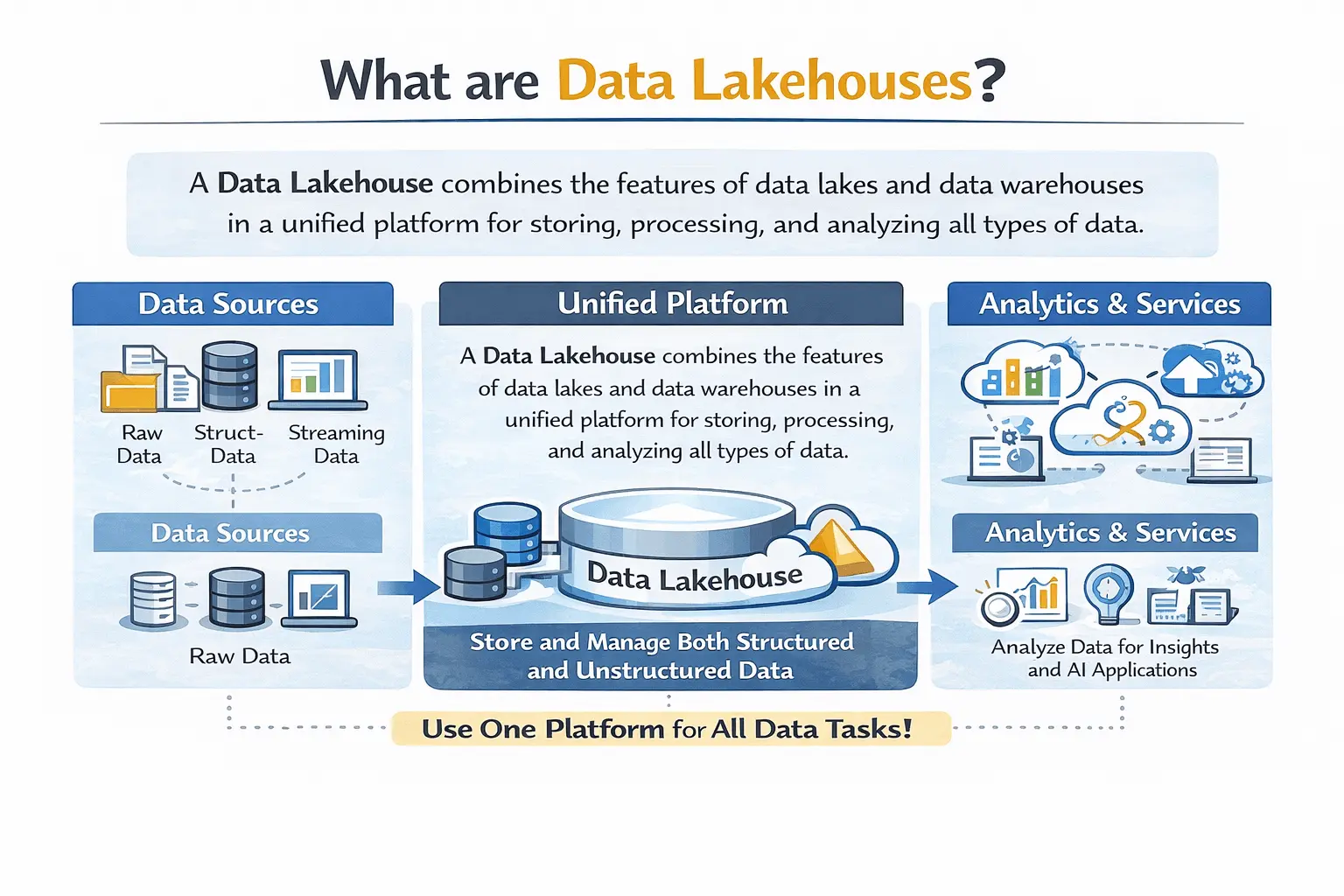
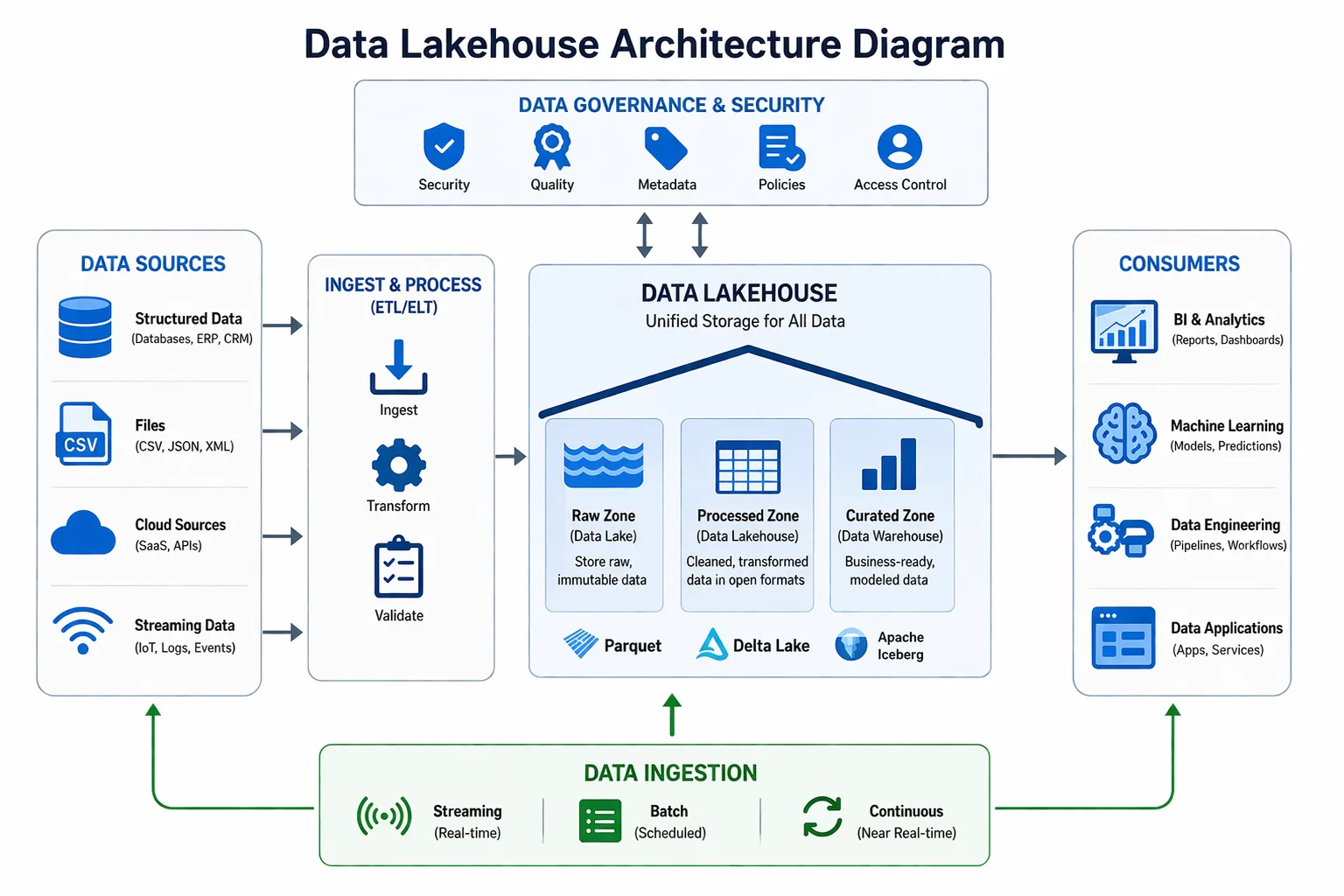
Absolutely. Many organizations use a hybrid approach, using ETL for governed, mission-critical data marts and ELT for agile data exploration in a data lake, forming a modern “data lakehouse” architecture.

Categories
Blog Data Visualization

Top 8 Looker Studio Alternatives

Are you hitting a wall with Looker Studio’s limitations? You’re not alone!

A lot of teams start with this user-friendly tool – only to discover down the line that it can’t keep up with growing demands for complex data analysis and enterprise security.

Some of the most common complaints I’ve heard from Looker users include:

  • The data modeling capabilities struggle to cope with complex analysis. 
  • It doesn’t have enterprise-grade, row-level security. 
  • Looker lacks advanced embed capabilities for client-side reporting.

And the good news is that there are several good alternatives out there that offer features to make up for these limitations!

In this post, I’ll walk you through 8 such Looker Studio alternatives that I’ve tried and tested over the years.

I’ve included a wide range of tools on my list: some are enterprise-grade, some are embed-friendly, and others are open-source data.

Use the comparison table below to quickly scan your options, or read on for an in-depth analysis of each platform to find the best tool for your specific requirements!

Looker Studio Alternatives: Table of Contents

  • TL;DR: Top 3 Looker Studio Alternatives Compared
  • 8 Looker Studio Alternatives (Tried and Tested)
  • How to Choose the Best Looker Studio Alternative?
  • Looker Studio Alternatives: Final Thoughts
  • Looker Studio Alternatives: FAQs

TL;DR: Top 3 Looker Studio Alternatives Compared

Here’s a quick breakdown of the 3 best Looker Studio alternatives by their use cases:

1. Microsoft Power BI

Use Case: The Best All-Rounder for Most Businesses

Ideal for organizations of all sizes, especially those using Microsoft 365. It strikes the best balance between cost, user-friendliness, and powerful analytics, making it the most practical choice for the majority of teams. 

2. Tableau

Use Case: The Gold Standard for Advanced Data Visualization.

The top choice for data professionals and enterprises that prioritize deep, exploratory data analysis and creating highly sophisticated, interactive dashboards. Best when visualization power is more critical than budget constraints.

3. Metabase

Use Case: The Top Choice for Open-Source & Embedded Analytics.

Perfect for startups, SMBs, and product teams needing a cost-effective, user-friendly tool for internal or embedded analytics. Its open-source core and intuitive interface lower the barrier to entry for self-service BI.

Talk to Augmented Techlabs to choose the right business intelligence tool and build scalable dashboards for your business

Quick Comparison: Top 3 Looker Studio Alternatives

Feature

Microsoft Power BI

Tableau

Metabase

Best For

SMBs to Enterprises, Microsoft shops

Large enterprises, data professionals

Startups, SMBs, embedded analytics

Pricing Model

Freemium + Subscription

Premium (Starts ~$70/user/mo)

Open-Source + Paid Plans

Ease of Use

5 Star (Excel-like)

3 Star (Steeper learning curve)

4 Star (Very intuitive)

Visualization Capabilities

4 Star (Strong)

5 Star (Industry leader)

3 Star (Good for basics)

Data Connectivity

200+ connectors

100+ connectors

30+ connectors

AI Features

Copilot AI assistant

Tableau Pulse, Ask Data

Metabot AI assistant

Ideal User

Business analysts, teams

Data scientists, analysts

Non-technical users, developers

Key Takeaways:

  • Choose Power BI for the best balance of price, features, and ease of use.
  • Go for Tableau for unmatched visualization capabilities and enterprise scale.
  • Select Metabase for open-source flexibility and quick setup.

8 Looker Studio Alternatives (Tried and Tested)

As promised, here’s my list of the 8 best Looker Studio alternatives – I’ve selected them based on their data modeling capabilities, ease-of-use, embed features, and pricing.

Here’s how the list stacks up:

1. Tableau: The Gold Standard for Visual Analytics

2. Microsoft Power BI: The Best All-Rounder

3. Domo: The Unified Cloud Platform

4. Qlik Sense: The Leader in Associative Analytics

5. Sisense: Best for Embedded Analytics

6. Metabase: The Top Open Source Choice

7. Zoho Analytics: The Best for SMBs

8. Apache Superset: The Scalable Open Source Powerhouse

1. Tableau: The Gold Standard for Visual Analytics

Tableau is one of the most popular Business Intelligence and data visualization tools on the market.

It’s a strong Looker Studio alternative for anyone who wants to perform complex analysis on large datasets.

It also helps you create interactive, intuitive visualizations and dashboards.

Best For: Large enterprises and data professionals who require deep, exploratory data analysis, robust security, and scalable deployment options.

Key Features of Tableau

  • Advanced Visualization Capabilities: You get access to an extensive library of charts, such as bar, Gantt and motion charts. Plus, the drag-and-drop interface is perfect if you want a tool that is easy to use for non-technical users.
  • Powerful Data Connectivity: One of Tableau’s strengths is that it integrates very well with a range of data connectors – cloud databases, data warehouses, spreadsheets, and big data platforms. The Hyper data engine delivers quick querying and can analyze large datasets without lagging.
  • AI-Powered Analytics (Tableau Pulse): This is my favorite Tableau feature. It provides AI-driven insights, natural language querying (through Ask Data), and automated explanations of data points (via Explain Data). 

If you like these features and want to explore them in detail, check out my guide on How to Use Tableau.

Potential Limitations of Tableau

  • Tableau’s pricing might be too expensive for SMBs, startups, and solopreneurs.
  • The learning curve is pretty steep compared to other Looker Studio alternatives.
  • Its data cleaning capabilities are not the strongest. 

Tableau Pricing Information

Tableau uses a tiered, per-user subscription model billed annually. Simply put, you need at least one Creator license to use Tableau effectively.

  • Creator: $115 per user/month, includes Tableau Desktop, Prep Builder, and a Cloud/Server license.
  • Explorer: $70 per user/month for self-serve analysis on published data sources.
  • Viewer: $35 per user/month for viewing and interacting with dashboards.

2. Microsoft Power BI: Best All-Round Looker Alternative

Next on my list is Microsoft Power BI – a unified, scalable business analytics platform designed to turn data into actionable insights.

Technically, it is a core component of the Microsoft Fabric ecosystem that offers integrated tools for both self-service and enterprise BI requirements.

Best For: Organizations already using Microsoft tools like Office 365 and Azure, seeking a cost-effective and user-friendly BI solution.

Key Features of Microsoft Power BI

  • Seamless Microsoft Ecosystem Integration: Power BI comes with a native integration for Microsoft 365 apps – Teams, Excel, SharePoint, and Azure services. This means Microsoft users won’t need to switch platforms to get insights into their data.
  • AI Copilot for Analytics: Power BI also features a robust integration with Microsoft’s Copilot AI. You can use it to generate reports, DAX calculations, and simple answers to data-based questions using text-based queries.
  • Comprehensive Platform Components: Power BI consists of Power BI Desktop (a free app for in-depth data modeling + report creation), the core BI service (a cloud-based SaaS for publishing and sharing), and mobile apps.

Check out my blog on How to Use Power BI to explore the tool and see if the features meet your requirements.

Potential Limitations of Power BI

  • Power BI can slow down when processing large/complex datasets.
  • You’ll have to spend some time learning how to use the more advanced functions.
  • Limited data prep capabilities – so you might have to use an ELT/ETL tool for prep.

Check out my blog comparing Power BI vs. Looker to find out which one is better for you.

Power BI Pricing Information

Apart from a Free plan for basic functionalities, Power BI offers three different pricing plans:

  • Power BI Pro: $14 per user/month (paid yearly). Required for publishing, sharing reports, and collaborating with other Pro users.
  • Power BI Premium Per User (PPU): $24 per user/month (paid yearly). Includes all Pro features, plus larger model sizes, and more frequent data refreshes (48/day vs. 8/day on Pro).
  • Power BI Embedded or Microsoft Fabric: Variable, capacity-based pricing for embedding analytics into applications and enterprise-wide deployment.

3. Domo: A Unified Cloud Platform

Domo is a cloud-native business intelligence platform.

Its core strength is that it’s an all-in-one data analysis and visualization solution that also offers strong embed capabilities.

That is, Domo unifies data integration, transformation, visualization, and collaboration into a single, integrated environment.

Best For: Large enterprises + mid-sized orgs that need to consolidate data from numerous sources and agencies require robust embedded analytics capabilities.

Key Features of Domo

  • Extensive Data Connectivity: One of my favorite things about Domo is that it provides over 1,000 pre-built connectors to cloud applications, databases, and proprietary systems. You can also integrate it with tools like Magic ETL for drag-and-drop data transformation.
  • Robust BI and Analytics Suite: Domo’s interface is both intuitive and low-code – perfect for building interactive dashboards. You can also choose from over 150 chart types. Plus, you get tools for storytelling, alerts, and scheduled reporting.
  • Domo.AI: Domo has also done a solid job of integrating AI throughout its platform. For example, you can create custom AI agents, generate SQL code with text prompts, and even build + deploy advanced models with Jupyter Workspaces integration.

Potential Limitations of Domo

  • Domo is an enterprise-grade tool with expensive and complex pricing.
  • Creating tailored visualizations with advanced features might be challenging for non-technical users.

Domo Pricing Information

Domo does not publish transparent pricing – it’s best to contact their sales for a custom quote.

However, from the clients I’ve worked with and my personal experience, I do know that the pricing model is primarily credit-based, with costs scaling based on data volume and usage.

For mid-sized companies, I’ve seen annual costs fall in the range of $20,000 and $50,000, while enterprise deployments can range from $50,000 to over $100,000.

4. Qlik Sense: Best for Associative Analytics

Next up, we have Qlik Sense – a powerful data analytics platform whose strength is free data exploration and discovery through its unique associative engine.

It’s a unique tool on my list that goes beyond traditional query-based tools by indexing all relationships within your data and allowing you to intuitively uncover hidden insights that might otherwise be missed!

Best For: Data analysts and enterprises that need to perform deep or exploratory data discovery across complex & diverse datasets.

Key Features of Qlik Sense

  • Associative Analytics Engine: This is the core technology that differentiates Qlik Sense from other data visualization tools. It indexes every possible relationship in your data! So, when you make a selection, it instantly highlights related (white), selected (green), and unrelated (grey) data, revealing hidden patterns that help you quickly understand potential relationships within your data.
  • AI-Powered Insights: Qlik uses AI to automatically generate and prioritize visual insights. It also tells you which charts will best represent your data, thus accelerating analysis and visualization. I also like that its AI-assisted data prep features help users combine and transform data from multiple sources.
  • Flexible Deployment Options: You can opt for a fully-managed cloud SaaS solution (Qlik Sense Business), an enterprise-grade platform for multi-cloud or on-premises deployment (Qlik Sense Enterprise), or a free desktop version for individual use.

Potential Limitations of Qlik Sense

  • The associative model might require some to get used to.
  • You might need to configure data between Direct Query mode and in-memory leading for complex datasets. 

Qlik Sense Pricing Information

Qlik offers three different pricing plans:

  • Desktop: A free version for individual use and learning.
  • Business: Starts at $30 per user/month (billed annually).
  • Enterprise: Custom pricing based on organizational requirements. 

5. Sisense: Built for Embedded Analytics

If you’re an agency, an enterprise or just a user that wants deep embed capabilities, Sisense is the best Looker Studio alternative on the market.

It’s a powerful BI platform that you can use to integrate customizable AI-powered analytics directly into other apps or software products.

While anyone who needs embed capabilities can use it, Sisense is designed primarily for organizations that need to provide data insights within their own ecosystems, whether for internal tools or customer-facing SaaS products.

Best For: Software companies and enterprises requiring deeply integrated, white-label embedded analytics within their applications.

Key Features of Sisense

  • Fusion Embed + Compose SDK: You can engineer tailored data products and dashboards that closely match your app’s look and feel using popular web frameworks like React, Angular, and Vue.
  • AI-Powered Insights: Sisense’s AI capabilities help you automate data analysis, generate predictive insights, and offer responses to text-based prompts. This makes Sisense very user-friendly – you don’t need deep technical expertise to uncover hidden trends or make data-driven decisions.
  • Connectivity and Elasticube Engine: You can easily integrate data from sources like cloud data warehouses or on-premises databases. Plus, its proprietary ElastiCube engine can handle and analyze large, complex datasets efficiently – making it a strong option for lag-free performance in embedded scenarios.

Potential Limitations of Sisense

  • Expensive, even when compared to some other enterprise-grade alternatives.
  • You might need some time to familiarize yourself with the SDK capabilities to create custom embeds. 

Sisense Pricing Information

Sisense uses a custom-quote model – it doesn’t even have a public pricing page.

However, based on the clients I’ve worked with in the past, here’s the ballpark figure you can expect to pay:

  • $10,000+ per year for self-hosted architecture.
  • $21,000+ per year Sisense Cloud.

You might also have to pay more depending on the number of seats you need and the data volume (ElastiCube size) you want to service.

6. Metabase: The Top Open Source Choice

Metabase makes my list of the best Looker Studio alternatives as the best open-source business intelligence platform.

It makes data exploration and dashboard creation accessible to everyone, from non-technical business users and even professional data analysts.

What I like most about it is its user-friendly interface and quick setup, making it a popular choice for startups and small to mid-sized teams.

Best For: Startups, SMBs, and teams with limited budgets that need a quick-to-deploy, user-friendly BI tool for internal or embedded analytics.

Key Features of Metabase

  • Intuitive No-Code Query Builder: Metabase’s visual query builder is what allows you to ask questions of their data through a point-and-click interface. That means you don’t need to write even a single line of code to explore data or create interactive reports.
  • Flexible Deployment and Embedding: Metabase’s second core strength is that it offers an open-source version for self-hosting + paid cloud-hosted plans. And both versions feature solid embedding capabilities so you can easily integrate dashboards and charts into your own apps, with white-labeling options available on paid tiers.
  • AI-Powered Assistance (Metabot): Metabase includes an AI assistant that helps you ask text-based queries, generate SQL code, and debug queries. So, you can accelerate data-powered workflows even if you don’t have a  dedicated data engineer on your team!

Potential Limitations of Metabase

  • I’ve seen and heard a lot of users complaining that Metabase slows down when handling complex datasets.
  • Metabase offers limited options (graphs, charts, etc) for data visualization.
  • It’s not suited to direct advanced data modeling tasks.

Metabase Pricing Information

Metabase’s open-source version is free forever as long as you self-host it. Apart from this, it offers three different pricing options, each for a different functionality:

  • Starter (Cloud): $85 per month (includes first 5 users, then $5/user/month).
  • Pro (Cloud/Self-Hosted): $500 per month (includes first 10 users, then $10/user/month), also unlocks advanced embedding, white-labeling, and permissions.
  • Enterprise: Custom pricing (starts at around $15,000 per year).

7. Zoho Analytics: The Best for SMBs

Zoho Analytics is my pick for SMBs, solopreneurs, and startups that need a powerful BI tool.

It is a self-serve BI and data analytics platform designed you can use to analyze data, create visualizations, and uncover insights quickly.

One thing I really like about Zoho is that it doesn’t compromise on the number of features it offers even though it doesn’t charge a lot.

For just $24/month, you get access to all of its features – a wide range of connectors, an AI-powered assistant, and pretty decent data analysis capabilities.

Best For: SMBs and startups looking for an affordable, user-friendly BI tool with good integration capabilities. Also perfect for anyone already using other Zoho products.

Key Features of Zoho Analytics

  • Extensive Data Connectivity: Native integration with over 500 data sources, including popular business apps (Zoho CRM, Salesforce, QuickBooks), cloud data warehouses, databases, and flat files.
  • AI-Powered Analytics (Ask Zia): You can ask Zia, Zoho’s AI assistant, text-based questions and it will generate answers, reports, and even KPI widgets. Zia also provides automated insights (Zia Insights) + predictive analytics, and can guide you through data prep and report building processes through a simple conversation.
  • Pre-Built Analytics Templates: This functionality is pretty similar to Looker Studio’s Templates – Zoho Analytics also gives you access to hundreds of domain-specific, pre-built reports plus dashboards for sales, marketing, finance, HR, and other functions.

Potential Limitations of Zoho

  • The total cost can mount quickly due to Zoho’s row-based pricing tiers.
  • Non-technical users might need some time to become familiar with the more advanced features. 

Zoho Pricing Information

Zoho Analytics uses a transparent, tiered subscription model billed monthly or annually (with a 20% discount for annual billing). Let me quickly walk you through its pricing plans:

  • Free Plan: Available for up to 2 users and 10,000 rows.
  • Standard: ~$24 per month (billed annually) for 2 users and 0.5 million rows.
  • Premium: ~48 per month (billed annually) for 5 users and 1 million rows.
  • Enterprise: Custom pricing for 50+ users and 50+ million rows.

8. Cognos by IBM: The Enterprise Reporting Powerhouse

Last on my list of the best Looker Studio alternatives is IBM’s Cognos Analytics.

It is a comprehensive, enterprise-grade business intelligence platform designed for large organizations.

So, if you need robust reporting, stringent governance, and scalable deployment options – Cognos is a strong choice.

Plus, it goes beyond visualization to offer a unified environment for complex data modeling and AI-assisted analysis.

I also really like its pixel-perfect report generation that makes it very easy to create meeting-ready reports and dashboards.

Best For: Large enterprises and organizations in regulated industries that need highly governed, scalable BI solutions with powerful, traditional reporting capabilities.

Key Features of Cognos

  • Augmented Analytics: You can ask text-based questions about your data and get AI-generated answers and insights. Cognos also features automated pattern detection, predictive forecasting, and smart visualization suggestions to help uncover hidden trends.
  • Enterprise-Grade Reporting + Dashboards: Cognos is particularly known  for its high-performance, “pixel-perfect” reporting capabilities that you can use to create multi-page financial statements to interactive dashboards. You can also format the layout of your reports to meet strict corporate or regulatory standards.
  • Flexible Deployment and Scalability: Cognos can be deployed on-premises, as a service on IBM Cloud, or in a hybrid model. You can also deploy it as a part of any cloud (including AWS, Azure, and GCP) via Kubernetes.

Potential Limitations of Cognos by IBM

  • One problem with Cognos is that you’ll need either a team of data engineers or a data visualization consultant to make the most of its complex features.
  • Its visualization options are limited compared to Tableau or Power BI. 

Pricing Information

IBM Cognos Analytics uses a tiered subscription model – but you can expect to pay around $25/user/month for its starting plan.

How to Choose the Best Looker Studio Alternative?

To choose the best Looker Alternative, I recommend considering 4 main factors:

  • Your Primary Use Case: First, you need to know what capabilities you absolutely need your BI tool to have. Is it self-service analytics for business users, embedded analytics for your product, or enterprise-wide reporting with strict governance? This will immediately narrow your options.
  • Technical Resources Available to You: Next, assess the technical skills and knowledge of your team. For example, if you’ve got data engineers with good experience of handling BI tools, Metabase might help you cut down on your expenses. On the other hand, Sisense might be expensive, but perfect for enterprise-grade requirements.
  • Your Data Sources: Make sure that the tool you’re choosing can natively connect to your critical data sources (e.g., CRM, databases, cloud warehouses). If not, you might want to evaluate whether it’s worth the effort to get a more affordable Looker Studio and also work with another ELT/ETL tool on top.
  • Total Cost of Ownership (TCO): Lastly, don’t just look at the initial license fee. Consider costs for implementation, training, additional connectors, and scaling users.

My suggestion: make a list of the features/capabilities you need, and then compare different tools based on their user experience and pricing to find the best option.

And don’t forget to use free trials to explore the platform with your own data before committing!

Get started with Augmented Techlabs to build powerful dashboards across any business intelligence platform

Looker Studio Alternatives: Final Thoughts

Through this blog, I’ve walked you through the 8 best Looker Alternatives on the market.

I’ve also shared with you the factors you should consider to choose one that suits your data visualization and analysis needs.

And if you’re still not sure which Looker alternative best fits your requirements, reach out to us at Augmented Tech Labs!

Over the 10 years that we’ve been in the data visualization industry, we’ve worked extensively with all the Looker Studio alternatives we’ve mentioned above.

So, connect with us for a free consultation, and we’ll help you find the right data visualization tool that will align with your operational needs.

Looker Studio Alternatives: FAQs

1. What is the best all-around Looker Studio alternative?

Microsoft Power BI is the top all-round Looker Studio alternative – it offers powerful analytics, seamless Microsoft 365 integration, and a cost-effective freemium model suitable for most organizations.

2. When should I hire a data visualization consultant?

You should hire a data visualization consultant when you need expert guidance to select, implement, and customize a BI platform. Data visualization consultants (like us at Augmented Tech Labs) ensure the tool aligns with your specific data infrastructure, security needs, and business objectives for maximum ROI.

3. What are the best dashboard creation tools for enterprises?

For large enterprises, the best dashboard creation tools are Tableau for advanced analytics and Domo for unified data consolidation. Both offer robust security, scalability, and powerful, interactive visualization capabilities for complex data environments.

4. Are there any capable free data visualization tools?

Yes, capable free data visualization tools include Microsoft Power BI Desktop and the open-source version of Metabase. These platforms offer strong core features for individual users and small teams to build reports and dashboards.

5. Which open-source tool is best for embedded analytics?

For open source data visualization and embedding, Metabase is a solid choice. Its intuitive interface and flexible deployment options make it ideal for integrating analytics directly into your own applications and software products.

Categories
Blog Data Visualization

Top 10 Power BI Alternatives

Microsoft’s Power BI is one of the best business intelligence tools on the market.

But if you need:

  • Pixel-perfect reports. 
  • Real-time data processing capabilities.
  • A cost-effective + scalable BI platform.

There are better options out there!

At Augmented Systems, we’ve helped a lot of clients find their ideal Power BI alternative that aligns perfectly with their use case.

And in this article, that’s what we’re going to help you do as well!

We’ll break down 10 Power BI alternatives that double up as data visualization tools and software, so you can choose one that works for you!

Let’s dive in!

Power BI Alternatives: Table of Contents

  • TL;DR: Top 5 Power BI Alternatives
  • Power BI Alternatives: Table of Comparison
  • List of 10 Top Power BI Alternatives in 2025
  • Final Verdict: Which Power BI Alternative is the Best?
  • Power BI Alternatives: FAQs

TL;DR: Top 5 Power BI Alternatives

In a hurry? I’ve got you covered – here’s a quick breakdown of the 5 best Power BI alternatives based on the most common use cases:

Best Enterprise-Grade Alternative – Tableau

The market leader in visualization capabilities, Tableau can handle massive datasets pretty well and also offers robust governance features. Ideal for large corporations needing deep, exploratory analysis!

Best Open-Source Alternative: Apache Superset

Completely free, highly scalable, and customizable. Designed for tech companies with strong engineering teams that want full control without any licensing fees.

Best AI-First Alternative: Qlik Sense

Qlik’s associative analytics engine and AI-powered Insight Advisor help you automate insight discovery through natural-language queries and relationship-indexing. This means you can explore data beyond set dashboard structures and uncover hidden trends!

Best Affordable Alternative: Zoho Analytics

Zoho offers a powerful, forever-free plan and extremely competitive pricing. On top of this, it provides incredible value for SMBs and startups needing robust data visualization tools without the enterprise cost.

Best White-Label / Embed Alternative: Sisense

Sisense is one of the best API-first business intelligence tools – it offers industry-leading capabilities for embedding interactive, white-labeled analytics directly into customer-facing applications and software products!

Power BI Alternatives: Table of Comparison

Here’s a quick summary of our detailed comparison of the top 10 Power BI alternatives on the market:

Tool

Best For / Use Case

Standout Strength

Pricing

Learning Curve

Tableau

Large enterprises; advanced visualizations

Best-in-class visualization & exploration

Tiered Subscription (User-based)

Moderate to High

Qlik Sense

Guided & unguided data discovery

AI-powered associative analytics

Tiered Subscription (User-based)

Moderate

Looker

Google Cloud users; embedded analytics

Centralized metrics layer (LookML)

Custom Enterprise Quote

High (requires SQL)

Domo

Real-time insights from SaaS apps

Massive connector library & alerts

Custom Enterprise Quote

Moderate

Sigma

Business users on cloud warehouses

Spreadsheet UI on live data

Custom User-based Subscription

Low

Sisense

Embedding analytics into products

White-label embedding & performance

Custom Enterprise Quote

High

Zoho Analytics

SMBs; affordable & easy BI

Cost-effectiveness & AI assistant

Affordable Tiered Subscription

Low

SAP Analytics Cloud

SAP ecosystem enterprises

Integrated planning & predictive analytics

Custom Enterprise Quote

High

Metabase

Startups & internal reporting

Ease of use & open-source core

Freemium (Open Source / Cloud)

Low

Apache Superset

Engineering-led teams; scalability

Full-featured & free open-source

Free (Open Source)

High

List of 10 Top Power BI Alternatives in 2025

As promised, here’s our list of the top Power BI competitors and alternatives. We’ve included a good range of platforms, including enterprise-grade data visualization software and BI-first tools that also offer visualization capabilities.

Here’s how the list stacks up:

1. Tableau

2. Qlik Sense

3. Looker (Google Cloud Core)

4. Domo

5. Sigma Computing

6. Sisense

7. Zoho Analytics

8. SAP Analytics Cloud

9. Metabase

10. Apache Superset

1. Tableau

First on my list of Power BI alternatives is Tableau – the undisputed market leader in the data visualization segment.

It helps you convert complex data into vivid visualizations – from what we’ve seen, no other BI tool comes close to Tableau in terms of its data visualization capabilities.

It’s also very good for creating executive dashboards that help you track all your KPIs in one accessible place.

Best for: Large enterprises and data analysts who require deep, exploratory analysis and powerful + flexible visualization capabilities.

Standout Features of Tableau

  • Drag-and-Drop Interface: One of the best things about Tableau is that you don’t need any background in coding to create visualizations. All you have to do is drag and drop fields, rows, or columns into its interface, and it’ll create interactive dashboards and visualizations for you.
  • Extensive Data Connectivity: Whether you use a CRM like Salesforce or a data warehouse like Snowflake or one of hundreds of other sources, Tableau’s expansive range of connectors helps you integrate it with your existing tech stack.
  • Advanced Visualizations: Tableau will never try to fit your data into a limited range of graphs – it has a wide range of visualizations, from geo maps to scatter plots to customized bubble charts – to help you tell the perfect story with your data.

Also Read: Head-to-Head Comparison Between Power BI vs Tableau

Pros of Tableau

  • Extensive data visualization capabilities.
  • User-friendly tool, ideal for beginners and non-technical users.
  • Strong community with a wide range of resources.
  • Handles large datasets pretty efficiently.
  • Highly suitable for exploratory data analysis.

Cons of Tableau

  • As expensive as Power BI, especially for enterprise deployment via Server/Cloud.
  • Compared to some other Power BI alternatives, its advanced features are hard to learn.
  • You might need to use Tableau Prep to prepare your data for analysis. 

Tableau Pricing

  • Tableau Creator: $75/user/month (includes Desktop + Prep + Server/Cloud license).
  • Tableau Explorer: $42/user/month (for exploring and interacting with content).
  • Tableau Viewer: $15/user/month (for viewing pre-built dashboards).

2. Qlik Sense

Qlik Sense is an AI-powered BI platform that is built on a unique associative analytics engine.

Its core strength is that it can index the existing relationships in your data, which means your team can freely explore information and uncover hidden insights without being limited to pre-defined paths.

Best for: Enterprises and power users who value data discovery and unguided exploration over strictly pre-built dashboards.

Standout Features of Qlik Sense

  • Associative Analytics Engine: With Qlik, getting insights from your data is more like a conversation. Since it doesn’t limit you to a pre-defined structure, you can use it to explore relationships between your data in different directions.
  • AI-Powered Smart Data Discovery: One of Qlik’s most powerful features is its ability to create dashboards and charts in response to natural language queries like, “Why are sales down this quarter?” Alternatively, it can also automatically generate dashboards directly based on your data.
  • Powerful Data Migration & Modeling: You can integrate Qlik with on-site or cloud data sources. So, if you need a data visualization software that can pull up data from a wide range of sources, Qlik might be worth a shot. 

Pros of Qlik Sense

  • Industry-leading data discovery and associative modeling capabilities.
  • Robust governance + scalability for enterprises.
  • In-memory engine that doesn’t lag with large datasets.

Cons of Qlik Sense

  • The associative model can be conceptually different for new users.
  • Can be more expensive than some competitors, especially when you want to scale.
  • Requires careful data modeling for optimal performance.

Qlik Sense Pricing

  • Business: $30/user/month (Standard SaaS plan)
  • Enterprise SaaS: Custom pricing (full enterprise features)
  • Enterprise Client-Managed: Custom pricing (on-premise deployment)

3. Looker (Google Cloud Core)

Looker is Google’s native business intelligence platform.

What’s unique about it is that it is more than just a data visualization tool – it is based on a proprietary modeling language called LookML.

It thus acts as a single source of truth for your enterprise data.

Best for: Tech-savvy companies, especially those using Google BigQuery, that need a governed, consistent metrics layer and powerful embedded analytics.

Standout Features of Looker

  • LookML: Looker defines, measures, and calculates all your data, metrics, and calculations in one place through a native modeling language. This means all users, from employees to executives, see the same, accurate, and consistent data.
  • Deep Google BigQuery Integration: If you need real-time analysis for massive datasets, Looker might be one of the best tools on the market. That’s because it has a very tight native integration with BigQuery, Google’s native data warehouse.
  • Power API & Embedded Analytics: One of Looker’s core strengths features is that it was built with an API-first approach in mind. That means you can embed it in interactive dashboards, customer-facing applications, and enterprise workflows, and more!

Pros of Looker

  • Ideal for creating a centralized, governed “single source of truth.”
  • Highly suited to companies that are already using Google’s Cloud ecosystem.
  • Very powerful embed capabilities for analytics use cases.

Cons of Looker

  • You’ll need SQL knowledge or dedicated developers to build the LookML models.
  • Doesn’t offer the best drag-and-drop analysis or capabilities for business users.
  • Pricing is enterprise-oriented, so it can be both complex and expensive. 

Looker Pricing

Custom pricing based on platform edition (Standard, Enterprise, Embed) and usage. However, from what we’ve seen, you can expect to pay $3,000-$5,000/month for its full suite of capabilities.

4. Domo

Domo makes my list of Power BI alternatives as one of the best data visualization and analysis tools on the market.

It is an enterprise-grade, API-first tool that you can integrate into enterprise workflows, apps, websites, data warehouses, and more.

Some of its core strengths are real-time data delivery, strong communication capabilities, and integration features.

Best for: Organizations that need to aggregate data from countless SaaS applications and require real-time insights and alerts on operational data.

Standout Features of Domo

  • Massive Connector Library: If your data is scattered over multiple sources like warehouses, CRMs, and SaaS apps, Domo will bring them all in one place through its 1,000+ native data connectors.
  • Real-Time Dashboards & Alerts: One thing we really like about Domo is that its data updates in real-time, so you don’t need to wait for scheduled refreshes to get a clear insight into your data. It also sends you notifications when key thresholds are breached.
  • Collaboration Capabilities: Domo excels at bringing together not just data, but also people. Users can tag each other on visuals or dashboards, comment on them, and even share insights directly on data cards + dashboards. 

Also Read: Domo vs Power BI: Which Business Intelligence Tool Should You Choose?

Pros of Domo

  • Market leader in terms of the number of data connectors.
  • Very strong mobile experience and real-time capabilities.
  • All-in-one platform which eliminates the need to use + pay for multiple tools. 

Cons of Domo

  • Definitely one of the more expensive Power BI alternatives on the market.
  • The vast array of features can be overwhelming for new users.
  • Less customizable for deep, complex visualizations compared to Tableau.

Domo Pricing

Custom pricing based on the no. of users, data refresh rates, and features you need. From what we’ve seen, it starts in the low thousands per month for a small team.

5. Sigma Computing

If you’re looking for a Power BI alternative with a spreadsheet-like user interface, Sigma Computing might be your best bet!

It is designed to connect directly with data warehouses and handle datasets with billions of rows and columns without moving data or requiring coding/engineering expertise.

Best for: Companies with a modern cloud data warehouse stack that want to empower business users (in Finance, Marketing, etc.) to do self-serve analysis on live data.

Standout Features of Sigma Computing

  • Spreadsheet-like Interface: If you’ve got a marketing or finance team that’s already familiar with Excel or Sheets, switching to Sigma will feel like a massive upgrade without a change in the UI to them. Plus, with its NLP-based queries, you can get insights into your data without any coding.
  • Live Connection to Cloud-Warehouses: Sigma eliminates the hassle of importing/exporting data to/from different tools. It runs queries directly on your cloud warehouse-based dataset. This means you’ll never get insights on outdated/stale data!
  • Governance + Control: Sigma helps you comply with regulations and maintain complete control over your dataset. While it allows users to explore datasets, only admins have full control over who has access to which dataset!

Pros of Sigma Computing

  • Very easy to learn for users familiar with spreadsheets.
  • Increases efficiency since you never have to move data around to get insights. 
  • Reduces the burden on data teams for ad-hoc report requests.

Cons of Sigma Computing

  • Highly dependent on the performance + cost of your cloud data warehouse.
  • Less capable for highly complex, custom visualizations compared to dedicated tools.

Sigma Computing Pricing

Custom pricing based on a per-user subscription model.

6. Sisense

Sisense is one of the best Power BI competitors on the market for handling large, complex datasets.

It also has a strong, embed-first design and can import data from multiple sources. What’s unique about Sisense is that it actually optimizes and enhances the performance of large-scale and complex datasets through its proprietary chip technology.

Standout Features of Sisense

  • Embed Analytics Capabilities: Sisense is one of the BI tools on the market for white-label analytics capabilities. With its robust APIs and SDKs, you can integrate interactive dashboards and analytics straight to your customer applications.
  • In-Chip Tech: Sisense’s proprietary chip tech helps you optimize and accelerate the analysis of large, complex datasets by leveraging your CPU’s cache. This is a key reason why Sisens remains responsive and fast even when working with billions of rows of data.
  • Elasticube Data Modeling: Elasticube is Sisense’s semantic layer – your programmers can use it to create high-performance models that bring together data from numerous sources. 

Pros of Sisense

  • Highly customizable dashboards with drag-and-drop capabilities.
  • Offers AI-driven analytics in response to natural-language queries.
  • Highly scalable for enterprise deployments.

Cons of Sisense

  • Can be complex to set up and administer without technical expertise.
  • Might be too expensive for startups, solopreneurs, or SMEs.
  • The UI is not as slick and modern as other Power BI competitors. 

Sisense Pricing

Custom pricing based on deployment type (cloud or on-premise), no. of users, and data volume.

7. Zoho Analytics

Zoho Analytics is one of the most user-friendly Power BI alternatives on the market.

Its strong data visualization capabilities and integration with the Zoho ecosystem also make it a very attractive option for enterprises with a diverse range of users.

However, you can also integrate Zoho Analytics with a wide range of apps + third-party resources, so it might be worth a shot even if you’re not currently using any other Zoho products!

Best for: Small to medium-sized businesses (especially those already using Zoho products) looking for a powerful and affordable BI tool.

Standout Features of Zoho Analytics

  • Zia, the AI Assistant: You can use natural language queries like, “What was the state of sales in the last two quarters?” Zoho’s AI assistant, Zia, will automatically generate relevant reports + answers, along with insights and forecasts.
  • Deep Zoho Integration: Zoho is best known for its CRM, books, and helpdesk capabilities, all of which integrate with Zoho Analytics. You can connect Analytics with these apps, and it will automatically import data for report building and other data visualization tasks.
  • Affordable + Flexible Pricing: Zoho Analytics comes with a forever-free plan, while still offering enterprise-grade data visualization and analytics features. It’s thus one of the best options for startups, solopreneurs, and SMBs.

Pros of Zoho Analytics

  • Very easy to use, even for non-technical users.
  • Users can collaborate on data cards, visualizations, and reports in real-time.
  • Offers a decent mobile experience through the Zoho Analytics app. 

Cons of Zoho Analytics

  • You might face performance lags with large datasets.
  • The analytics capabilities are less advanced compared to enterprise-grade tools.

Zoho Analytics Pricing

  • Basic: $24/month for 2 users.
  • Standard: $48/month for 5 users.
  • Premium: $115/month for 15 users.
  • Enterprise: $455/month for 50 users.

Also offers a forever-free plan with limited capabilities.

8. SAP Analytics Cloud

SAP Analytics Cloud, or SAC, is an all-in-one cloud platform that brings together planning, analytics, and predictive modeling.

Simply put, it’s the native analytics solution for the SAP ecosystem, and therefore also offers very strong integration with SAP’s enterprise-grade planning applications.

Best for: Large enterprises that are heavily invested in the SAP ecosystem and need integrated planning and analytics.

Standout Features of SAP Analytics Cloud

  • Unified Planning & Analysis: You can use SAC to bring together business intelligence with predictive planning and analytics to break down data silos. For example, you can compare actuals vs plans and budgets without switching workflows or screens.
  • Predictive Analytics & Machine Learning: Helps you run scenarios, detect anomalies, and generate forecasts, without requiring you to have any advanced data analysis skills. Its AI does all the heavy lifting for you – all you have to do is feed it natural language queries.
  • SAP Integration: Integrates seamlessly with other SAP applications like S/4HANA, BW, and SuccessFactors. This means it runs analysis on live transactional data and plans based on real-time information, making it the outstanding choice for orgs already using SAP apps.

Pros of SAP Analytics Cloud

  • Helps you create personalized & customized dashboards.
  • Good mobile experience through a dedicated app.
  • Strong enterprise-grade security and governance.

Cons of SAP Analytics Cloud

  • The pricing might be too expensive for startups + solopreneurs. 
  • Steep learning curve for non-SAP users.
  • The user experience is improving, but it’s still more “corporate” and less “agile”.

SAP Analytics Cloud Pricing

Custom pricing based on a subscription model. Typically sold in blocks of users – BI, Planning, Predictive.

9. Metabase

Metabase makes my list of Power BI competitors as an open-source, lightweight business intelligence software.

If you’re looking for a data visualization tool that lets you or your team ask queries about your data without writing code, Metabase might be one of the best non-expensive options on the market.

And if you’re familiar with SQL, you can be a power user of Metabase and leverage its full capabilities!

Best for: Startups and SMBs with limited budgets that need a simple, effective, and open-source tool for basic internal reporting and dashboards.

Standout Features of Metabase

  • Ease of Use + Setup: You can install Metabase and connect your database with it in as little as 10-15 minutes. Plus, its intuitive interface is designed to help non-technical users create simple data queries and dashboards almost immediately.
  • Open-Source Core: Offers complete transparency, control, and access to its data and application. So, it’s ideal for anyone operating with a limited budget and/or tech-savvy teams.
  • Simple Share & Embed Features: Metabase makes it very easy for you to share questions, visuals, and reports. Plus, you can also embed them in other portals, websites, and apps with minimal effort. 

Pros of Metabase

  • Integrates with a wide range of SQL databases.
  • You can build complex queries very easily with its click-and-point interface.
  • Metabase sends you scheduled alerts or notifications for changes in your datasets.

Cons of Metabase

  • Not the best option for very large-scale enterprise deployments with complex needs.
  • Fewer advanced visualization and data modeling options.
  • Performance depends heavily on the database you’re using.

Metabase Pricing

  • Open Source: Free (self-hosted).
  • Pro (Cloud): Starting at $85/month (hosted by Metabase).
  • Enterprise: Custom pricing for advanced features & support (self-hosted).

10. Apache Superset

Apache Superset is an enterprise-grade open-source Power BI alternative.

It’s designed to handle data at the petabyte level, while you can use it either as a standalone visual interface for your data or an embedded solution in apps/workflows/websites.

However, you might have to work with a data visualization services provider to make the most of its features.

Best for: Tech companies with strong engineering teams that want a free, scalable, and customizable platform they can fully control and embed.

Standout Features of Apache Superset

  • Completely Free, Open-Source: It’s rare for an enterprise-grade tool to be open source, but that’s exactly what Apache Superset brings to the table. It’s built for modern, scalable, and cloud-first data environments.
  • Powerful SQL Visualization Capabilities: Comes with a rich SQL editor you can use for data exploration. Plus, its data visualization library helps you create a wide range of charts, tables, and dashboards through code.
  • Extensive Database Support: Through its SQLAlchemy integration, it supports a vast number of SQL-based databases out of the box. Simply put, Apache integrates with almost any modern database or data source. 

Pros of Apache Superset

  • Highly scalable and can handle massive datasets with billions of data points.
  • Completely free and open-source with a very active community.
  • The code-based visual editor is extremely powerful.

Cons of Apache Superset

  • You’ll need technical expertise to deploy, manage, and maintain Apache Superset.
  • Lacks official enterprise support unless you use a commercial provider.

Apache Superset Pricing

Pricing: Free (Open-Source). Commercial support and managed services available from providers like Augmented Tech Labs.

Final Verdict: Which Power BI Alternative is the Best?

Through this blog, we’ve walked you through the top 10 Power BI alternatives on the market.

We explored the best enterprise-grade tools like Looker and Sigma, open-source platforms like Metabase and Apache, and embed-first Power BI alternatives like Domo and Sisense.

So, which one of them is the best?

As veteran data visualization services providers, our answer is that it depends on your use case!

Simply put, whichever tool offers the capabilities that you need – such as compliance, governance, integration, ability to handle complex datasets – is the one you should go with.

To make an informed decision, we suggest making a checklist of all the features you need, and only selecting that tool which ticks all the boxes.

And if you’re struggling to choose the right one for your enterprise, don’t worry – just reach out to our database engineers at Augmented Systems…

We’ll understand your requirements, run a quick audit of your existing tech-stack, and give you a tailored assessment of which Power BI alternative is right for you!

All you need to do is tell us about your priorities, objectives, and current challenges, and we’ll help you pick the top data visualization tool on the market.

Power BI Alternatives: FAQs

1. Why should you look for Power BI alternatives?

While Power BI is a decent BI tool for Microsoft-centric ecosystems, it has several limitations:

  • Unpredictable pricing model, which makes scaling challenging + costly.
  • Its real-time analytics capabilities aren’t the best in the market. 
  • The learning curve is steep + it doesn’t offer advanced analytics, which makes learning Power BI a pretty expensive investment.

Compared to Power BI, there are several alternatives that offer better visualization, embed + API, and analytics capabilities.

2. What is the best open-source data visualization software?

In our experience, Apache Superset and Metabase are two of the best open-source power BI alternatives and data visualization software. Superset is more powerful and scalable for engineering teams, while Metabase is easier to set up and use for non-technical teams seeking simple internal dashboards.

3. Which alternative is best for a company that uses Google BigQuery?

Looker (Google Cloud Core) is the native and optimal choice. It is built for and deeply integrated with BigQuery, offering unparalleled performance, consistency, and governance for data within the Google Cloud Platform.

4. Are there any good free data visualization tools?

Yes – Zoho Analytics comes with a pretty good free plan, while Metabase and Apache Superset are completely free (if you self-host the open-source versions or work with a data visualization services provider). These are great for startups and small teams with limited budgets.

5. What is the difference between data visualization software and business intelligence tools?

These terms are often used interchangeably, but there’s a slight difference between them. Data visualization software is a subset of business intelligence tools, while BI tools include a wider range of capabilities like data preparation, warehousing, reporting, and advanced analytics, while visualization focuses specifically on the graphical representation of data. Usually, you need both to create a robust BI ecosystem.

6. When should a company consider using embedded analytics?

You should consider embedded analytics (using tools like Sisense or Looker) if you want to get data insights directly within your own software application or customer portal. They’ll help you enhance your product’s value and create a seamless user experience.

7. I need to connect to many SaaS apps. Which tool is best?

Domo is the standout choice for connecting data analytics with SaaS apps. It offers you a library of over 1,000 pre-built connectors, which you can use to unify data from cloud services, databases, and applications.

8. What does “associative analytics” mean in Qlik Sense?

Unlike traditional tools that follow a predefined query path, Qlik Sense’s associative engine indexes all relationships within your data. So, Sense lets you explore information freely in any direction, with the interface visually highlighting related data and dimming unrelated data, leading to unexpected insights.

9. Why/when should you work with a data visualization services provider?

You might want to work with an experienced data visualization services providers (like Augmented Tech Labs) if you:

  • Don’t have or don’t want to hire an in-house expertise to select, implement, and customize a BI platform.
  • Need to build complex custom dashboards.
  • Want to integrate analytics into existing workflows seamlessly.

Database management and data visualization services providers like us help you make the most of both open-source and licensed business intelligence platforms.

10. Is Microsoft Excel still a valid BI tool?

Yes, MS Excel is still a valid BI tool for specific use cases. With Power Query and Power Pivot, you can use Excel for individual, ad-hoc analysis and data manipulation. However, it lacks the centralized governance, security, and collaboration features of a full BI platform and is not suitable for enterprise-wide reporting.

Categories
Blog Data Visualization

Tableau Vs Domo: Which BI Tool Is Better?

Choosing the wrong data visualization tool can lead to hours of wasted time mastering a platform and dollars going down the drain.

And your task of picking the right tool might become even more complicated when you’re comparing two heavyweights like Tableau and Domo.

But don’t worry: we’re here to help you make the decision easier through a comprehensive breakdown of the two tools.

Before we get started, you must remember that selecting the right tool isn’t just about features: it’s about picking the one that aligns best with your use case, existing tech stack and budget!

So, which one is the right engine for your data-driven journey:

Tableau, the undisputed market leader in data visualization, or Domo, the agile cloud contender, well-known for its all-in-one connectivity?

Dive in to find out!

Tableau vs. Domo: Table of Contents 

  • TL;DR: Tableau vs Domo – Data Visualization Tools Compared Table
  • What is Tableau?
  • What is Domo?
  • Tableau vs Domo: The Key Differences
  • How to Choose between Tableau and Domo?
  • Tableau vs Domo: Final Verdict
  • Augmented: Helping You Choose Between Tableau vs. Domo
  • Tableau vs Domo: FAQs

TL;DR: Tableau vs Domo – Data Visualization Tools Compared 

Looking for a quick comparison? I’ve got you covered: here’s a full breakdown of Tableau vs Domo based on all the key features of the two platforms:

Metric/Feature

Tableau

Domo

Winner

Core Strength

Deep-Dive Analysis & Visual Artistry

Unified Business Cloud & Connectivity

Tie (Different aims, objects, build)

Ease of Use

Steeper learning curve, powerful once mastered

More intuitive, faster to get started

Domo for beginners

Data Visualization

Unmatched flexibility and customizability

Excellent, modern, and user-friendly

Tableau for power users

Data Connectors

100+ native and custom connectors

1,000+ pre-built, cloud-native connectors

Domo for sheer volume

Advanced Analytics

Superior with R, Python, statistical tools

Strong built-in AI/ML and automation

Tableau for data scientists

Deployment

Flexible (Desktop, Server, Online)

Cloud-native SaaS only

Tableau for flexibility

Collaboration

Strong with Server/Cloud

Built-in social feed (Buzz), superior

Domo for embedded collaboration.

Pricing

Per user (Viewer, Explorer, Creator)

Enterprise-valued, credit-based

Tableau for clearer entry pricing

What is Tableau? 

Tableau is the market leader in the data visualization tools market, with 14 out of every 100 users relying on it for their requirements.

It started as a Stanford project and has grown into the gold standard that many other data visualization services are measured against.

Source

Acquired by Salesforce, the Tableau dashboard software has one primary purpose: to help you see and understand your data through incredibly interactive and vibrant visualizations.

It combines ease of use with the technical features that data scientists and business analysts can use to visualize really complex data into powerful charts, maps, and graphs.

Standout Features of Tableau

  • Unmatched Visual Flexibility:  This is where Tableau data visualization truly shines. For example, its “show me” panel and deep formatting options allow you to build highly custom, interactive dashboards that tell a compelling data story. The tableau dashboard software is thus perfect for analysts who need to explore every angle of a dataset.
  • Advanced & Predictive Analytics: Tableau goes beyond basic charts. It has very good integrations with R, Python, and Salesforce Einstein. This means you can use it for predictive modeling, complex statistical analysis, and even demand forecasting. If you need to ask “why” something happened, Tableau’s got the tools you need to dig deeper.
  • Flexible Deployment:  Unlike other purely cloud-based data visualization tools, Tableau offers a hybrid approach. You can start building on  Tableau Desktop  (a powerful Windows/Mac application) and then publish to Tableau Server (on-premise) or Tableau Online (cloud). This is a huge plus for organizations with strict data governance needs.

Also Read: How to Use Tableau?

Pros of Tableau

  • A wide range of customizable visualization options.
  • Powerful for ad-hoc analysis and deep dives.
  • Huge, active community and a vast library of learning resources.
  • Flexible deployment options.

Cons of Tableau

  • The costs can mount quickly, especially as your user base grows.
  • Once you’ve got the hang of it, Tableau can be pretty easy to use.
  • You might need to use a separate tool like Tableau Prep for cleaning your data.

Who Should Use Tableau?

From what we’ve seen, Tableau can be a great option for: 

  • Data analysts and scientists who need to perform deep, exploratory analysis.
  • Large enterprises in finance, healthcare, or research that need on-premise solutions.
  • Teams that need to create custom dashboards and printable reports. 

Tableau Pricing

Tableau has a transparent but layered per-user model:

  • Viewer:  $15/user/month (offers “view” and dashboards interaction features).
  • Explorer: $42/user/month (for exploring trusted datasets).
  • Creator: $75/user/month (full capabilities, including Desktop and Prep).

What is Domo? 

Domo is a cloud-native business operating system that is more than just a normal data visualization software.

Through it, you can connect everyone in your organization, from the CEO to the front-line employee, via live data powered by a single, integrated platform.

Source

I often tell my clients to think of it as the smartphone of business intelligence: it can act as the one device that connects all your apps, messages, and information in a simple, accessible interface.

Let me show you how it works by exploring some of the best Domo features:

Standout Domo Features

  • Massive Connector Ecosystem:  One of Domo’s core strengths is its vast array of  1,000+ pre-built connectors. Whether it’s Salesforce, Shopify, Snowflake, or a niche SaaS tool, Domo likely has a native connector to pull data in real-time. This makes it a versatile tool that can fit in with virtually any tech stack.
  • AI & Automation (Mr. Roboto):  Domo has integrated AI into its core with features like NLP querying, which allows you to ask natural language questions (“Show me sales by region”), get automated insights, and even build predictive models with low code. Whatever the analytical process, there’s a chance that Domo will automate it for you.
  • Collaboration & Apps (Domo Buzz & App Builder):  Domo functions like a social network for your data. For example, its Buzz feature lets users comment, tag, and alert each other directly on dashboards. Plus, you can use its low-code app builder to create custom data apps without writing a single line of code.

Pros of Domo

  • Unbeatable number of easy, pre-built data connectors.
  • Intuitive and collaborative interface for business users.
  • Strong embedded analytics for customer-facing applications.
  • Offers real-time data alerts and a pretty seamless mobile experience.

Cons of Domo

  • Pricing is opaque and typically enterprise-level, often starting around $10,000.
  • Less granular control over visualization design compared to Tableau.
  • Doesn’t offer an on-premise option: it’s a cloud-only BI tool.

Who Should Use Domo?

Based on its features, pros, and cons, Domo might be a great option for:

  • Mid-to-large-sized companies that use a vast array of SaaS applications and need them connected.
  • Operational teams in marketing, sales, and retail that thrive on real-time, collaborative data.
  • Organizations looking to embed analytics into their own products or customer portals.

In our experience, a combination of Domo features + a veteran data visualization services agency is the way you can create a completely automated, smooth, and secure data visualization infrastructure.

Domo Pricing

Domo uses a value-based, credit pricing model. The issue is that the pricing information is not publicly listed. So, you have to contact their sales team for a quote, but it’s known to be a significant enterprise investment, often competing with Tableau Creator-tier pricing at a minimum.

BI Tools Comparison: Tableau vs Domo

In this section, I’ll give you a feature-by-feature breakdown of the differences between Tableau and Power BI. Here’s how it stacks up:

1. Workflow: Dashboard Software vs. General BI Tool

The Tableau dashboard software gives you the best possible tools to build a masterpiece visualization from the ground up. You have total control to build customized charts and visuals (check out these Tableau dashboard samples) that you can easily share with your teams.

Domo, on the other hand, is like a general BI software. It provides the entire crew and pre-fabricated parts that you can use to create a data analysis and visualization workflow quickly and efficiently.

2. Ease of Use and Learning Curve

Tableau’s depth comes with complexity. So, if you want to run advanced calculations or create complex visualization, it has a steeper learning curve compared to Domo. Simply put, it’s built for power users, not those who want to take their first steps into the world of data visualization or analysis.

While Domo prioritizes user-friendliness, it does so on an enterprise level due to its pricing. That said, its drag-and-drop interface and app-centric approach allow non-technical users to build useful dashboards and get value faster.

3. Data Handling and Integration

While both connect to numerous sources, Domo’s 1000+ connectors are its primary advantage. It’s designed to be the central hub for all your cloud data with minimal effort.

Tableau, on the other hand, can connect to almost anything via its open + Java database connectivity. While it often requires more setup and data preparation work to blend these diverse sources effectively, it’s nothing you can’t take care of by working with a good data visualization services provider.

4. Collaboration and Governance

In this BI tools comparison, Domo is definitely the winner when it comes to collaboration. Its social features (Buzz) make discussing data as easy as commenting on a Facebook post. Plus, the governance is strong and cloud-centric, which means you can rest assured that Domo will do everything in its power to protect your data!

Tableau’s collaboration capabilities are more traditional (comments, subscriptions). Its approach to governance is useful for large, complex enterprises, especially since it offers on-premise deployment options.

How to Choose: Tableau or Domo? 

Still on the fence? Here’s how you can decide which of the two data visualization tools is best for you: 

Choose Tableau if:

  • You need a tool for deep analysis and creating custom visualizations.
  • You have data analysts or scientists on your team who will be the primary users.
  • Flexibility (on-premise or hybrid cloud deployment) is a priority for security reasons.
  • You value granular control over every pixel of your dashboard.

Choose Domo if:

  • You need a tool for company-wide collaboration that sends real-time alerts to users.
  • You want to connect countless cloud apps and databases quickly and easily.
  • Your non-technical users might need to build apps and get insights without coding.
  • You want an all-in-one platform that eliminates the hassle of using multiple tools.

Tableau vs. Domo: Final Verdict

So, which is better: Tableau or Domo?

As someone who’s worked in the data visualization services segment for more than 10 years, you’ll find my answer pretty boring: it depends on your use case!

I know it’s the most generic answer I can give you, but it’s also true!

For example, Tableau data visualization has no other rival in the market. But it’s pretty hard to use and get the most out of (unless you’re backed by a good data analyst, scientist, or consultant).

Similarly, no other BI tool comes close to Domo in terms of features and connectivity. But its pricing can make even enterprises think more than once before splashing the cash at it.

So, while there’s no one winner in general, there’s definitely one that suits your needs the best!

Augmented Systems: Helping You Choose Between Tableau vs. Domo, and Beyond

If you’ve read this far and are still wrestling with this decision, you’re not alone.

This is exactly the kind of strategic challenge we help our clients solve at Augmented Systems.

We don’t just help you visualize data: we empower you to build BI infrastructure that powers a data-driven culture.

When you work with us, you get:

  • A complete audit of your requirements + tech stack to help you pick the right BI tool.
  • Certified expertise in both platforms for implementation and dashboard development.
  • End-to-end data visualization services to ensure you get maximum ROI from your BI ecosystem.

So, schedule a free consultation with our BI experts today, and we’ll help you navigate this choice to build the analytics powerhouse your business deserves!

Tableau vs Domo: FAQs 

1. Can Tableau connect to as many data sources as Domo?

Technically, Tableau can connect to anything via custom SQL or ODBC/JDBC. However, Domo wins on convenience with its 1000+ pre-built, managed connectors that require almost zero setup for popular cloud apps and databases.

2. Is Domo easier to learn than Tableau?

Generally, yes. Domo’s interface is designed for business users and is easier to pick up for basic dashboard building. Tableau has a steeper initial learning curve, especially for advanced calculations and custom visuals, but offers more power in the long run.

3. Which tool is better for large enterprises: Tableau vs Domo?

Both are enterprise-grade data visualization tools.  While Tableau might be more suitable for traditional, large enterprises that have complex data governance and on-premise requirements, Domo is a strong contender for agile, cloud-first companies that value company-wide adoption and connectivity over deep, granular analysis.

4. How does pricing really compare between Tableau and Domo?

Tableau has a clear, public per-user price tag, which can become expensive at scale (especially with a mix of Creators and Viewers).  Domo’s pricing is custom and typically starts at a high enterprise level, often making it less accessible for small to mid-sized businesses without significant budgets.

5. Which tool has better mobile support?

Both have excellent mobile apps.  Domo is often praised for its mobile-first design and superior experience for viewing and interacting with data on the go, making it a favorite for executives and field employees.

Categories
Blog Data Visualization

What is Data Visualization and Why is it Important?

If you’re still using raw data analysis with a bunch of numbers and figures, you’re losing both time and money!

For example, data visualization enables enterprises to make decisions nearly 70% faster compared to just traditional, raw data analysis.

In specific segments, like e-Commerce and logistics, charts and graphs help enterprises boost conversion rates and even minimize their operational downtime.

In short, data visualization is the key to making faster and smarter decisions based on information you already have.

In this blog, we’re going to discuss the vital and growing importance of data visualization and share with you the best techniques + tools for data visualization.

We’ll also tell you how expert data visualization services can help you leverage real-time dashboards in your decision-making processes while relieving you of burdens like technical integration.

Let’s dive in!

What is Data Visualization: Table of Contents

  • What is Data Visualization: Going Beyond Numbers
  • 5 Key Benefits of Data Visualization
  • Techniques and Types of Data Visualization
  • Best Data Visualization Tools
  • Why Work with a Data Visualization Consultant
  • Augmented Tech Labs: Your Ideal Data Visualization Services Partner
  • What is Data Visualization: FAQs

What is Data Visualization: Going Beyond Numbers

Data visualization is the art and science that transforms raw data into visual contexts that simplify and contextualize patterns, trends, and correlations for decision-making.

Here’s how it works: you use charts, graphs, and maps to visualize a picture that is painted by your data. This translation of abstract numbers into vibrant visuals can help you, as a decision-maker, cut through the clutter and clearly identify the overall health of your business.

Over the years, data visualization has gone from being a luxury or a creative way of interpreting data to a critical business competency. Simply put, if data analysis can make a difference to your decision-making process, data visualization can accelerate and enhance the quality of those decisions!

Core Concepts in Data Visualization

The data visualization process rests largely on four very important concepts:

  • Visual Encoding: This is the process of mapping data onto visual variables, such as position, size, shape, and color.
  • Dashboarding: Dashboarding is the process of combining multiple visualizations into a single interface for monitoring key metrics. This is particularly important for executives who need to keep track of a lot of metrics without moving between different pages, websites, or charts.
  • Interactivity: Interactivity means allowing users to manipulate visualizations to explore different aspects of the data. You can use it to visualize predictive models, test different solutions, and extract contextual information by controlling the variables of your visualizations.
  • Storytelling: Perhaps the most important part of visualization, it involves using charts and graphs to guide viewers through a narrative about what the data reveals.

Also Read: The Best Data Visualization Techniques in 2025.

5 Key Benefits of Data Visualization

There are five key benefits of data visualization that we’ve observed over the time that we’ve worked with a wide range of clients:

1. Faster Decision-Making

Human brains are hardwired to interpret visual information faster than a bunch of words or numbers. That’s why data visualization is key to driving faster decisions.

Think of data visualization as creating a series of insightful snapshots into your business processes. It’ll give you the edge of cognitive efficiency and even save you time! For example, employees are 28% more likely to find the information they’re looking for through visualized data.

2. Identifying Trends and Patterns

Complex correlations that our brains might take hours and hours to understand, data visualization identifies within minutes, even seconds!

For example, a heat map can instantly reveal geographic patterns in customer behavior that would require sophisticated regression models (and more time!) to detect with raw data.

3. Improved Collaboration

When you’re working with sales teams that don’t understand revenue KPIs and marketing teams that find it difficult to understand sales numbers, you need a common language that can make collaboration easier.

That’s exactly what data visualization services bring to the table: they help you create concise dashboards that all teams can easily understand. In fact, research we’ve come across shows that orgs that rely on data visualization techniques experience 40% better cross-departmental alignment on strategic initiatives!

4. Data-Driven Stories

Data analysis gives you insights but data visualization can help you tell convincing stories. That’s because visuals empower you to engage emotionally and intellectually with your stakeholders: they help you make information accessible to everyone who needs to understand it.

For example, presentations that rely on visuals are 47% more persuasive than those that rely only on verbal arguments.

5. Real-Time Insights

The ultimate goal of collecting and analyzing data is not just to understand what happened in the past. It’s to predict what will happen in the future and take preventive actions in real-time.

That’s exactly what data visualization tools help you achieve: rather than waiting on periodic reports to filter through departments, you can get quick access to real-time movements in your enterprise’s most vital performance indicators.

Techniques and Types of Data Visualization

There are a lot of different types of data visualization techniques you can use depending on the outcome you want to achieve or the metric you want to monitor.

Here’s a table that outlines the most popular visualization techniques, their best use-cases, examples, and tools:

Visualization Type

Use-Cases

Data Visualization Examples

Best Tools

Charts & Graphs

Comparing values, showing trends over time

Bar charts, line graphs, scatter plots

Excel, Tableau

Geospatial Maps

Showing location-based patterns

Choropleth maps, heat maps, point maps

Carto, GIS

Hierarchical Charts

Displaying part-to-whole relationships

Treemaps, sunburst diagrams, circle packing

RAW Graphs, D3.js

Network Diagrams

Visualizing relationships and connections

Node-link diagrams, matrix charts

Gephi, Graphviz

Dashboard Interfaces

Monitoring multiple metrics simultaneously

Executive dashboards, performance metrics

Tableau, Power BI

For a more detailed breakdown into when, why, and how to use these methods, check out our guide on the best data visualization techniques.

Best Data Visualization Tools

When it comes to which tools are the best, each data visualization consultant has their own preference. However, we’ve drawn up a list of four tools that you can explore right away to get started with your data visualization journey:

  • Microsoft Excel: Despite being a traditional tool, Excel is a great option for creating basic charts and graphs. In fact, with the recent versions adding more advanced visualization capabilities, it remains one of the best basic tools on the market.
  • Google Sheets: As part of the Google Workspace ecosystem, Sheets provides collaborative chart creation with easy sharing options. It’s also simple and gives you a glimpse of the difference a cloud-based visualization tool can make to your decision-making process! You might particularly like how it shows a preview of the different data visualization examples based on your dataset.
  • Power BI: Power BI is Microsoft’s native business intelligence platform. It excels at transforming data from various sources into cohesive and interactive reports. If you’re looking for a tool that can help you with robust data modelling, real-time dashboard capabilities, and enterprise-level reporting, Power BI might be a good option.
  • Tableau: The undisputed market leader in business intelligence visualization, Tableau helps you create a wide range of interactive charts and dashboards that can be shared online. We’ve had great success in using Tableau to help our clients create executive dashboards that they rely on to make critical decisions.
  • Domo: An enterprise-grade tool, Domo is one of the best options if you want to embed visualization capabilities into websites, apps, and even internal software systems. It’s the best option for enterprises that want a BI platform that their non-technical staff can use to collaborate with each other.

Also Read: Top Data Visualization Tools in the Market in 2025

Why Work with a Data Visualization Consultant?

As of 2025, the global data visualization services market is a multi-billion-dollar industry. And there are very good reasons why this is the case.

For example, the past few years have witnessed the:

  • Rise of AI-powered storytelling.
  • Increasing complexity of data visualization tools.
  • Development of real-time data streams.

Now, it’s quite natural that you might not want to invest too heavily in keeping up with all these different trends by hiring or constantly upskilling your personnel.

Even if you have the time and the budget to do so, working with data visualization consultants can help you cut costs and give you a reliable partner whose entire job is to power your ability to make decisions through interactive dashboards that highlight actionable insights.

They possess core competencies like industry experience, technical expertise, design capabilities, and an analytical approach that they can tailor to your requirements.

That’s why more and more enterprises are relying on data visualization services to give them the tools they need to make smarter and quicker decisions.

Augmented Systems: Your Ideal Data Visualization Services Partner

In the contemporary business environment, actionable data visualization can be the difference between you making the right decision at the right time vs. missing out on critical growth opportunities you need to leverage.

To leverage the power of visualized data, all you need is the right combination of tools + techniques + partner that can help you create customized dashboards and visualizations.

That’s where we at Augmented Systems come in – we have decades of experience adapting to every single trend in data visualization, and ensuring that our clients make the most out of the data they collect.

We offer end-to-end data visualization consulting services, including:

  • Custom dashboard development tailored to specific business needs.
  • Data migration, standardization, cleaning and preparation.
  • Staff training and enablement for self-service visualizations.
  • Ongoing optimization and refinement based on user feedback.

So, whether you need help choosing the right tool, maintaining a data visualization ecosystem, or custom dashboard engineering capabilities, we’ve got you covered! Let us build visualizations that align closely with your requirements, so that you can keep doing what you do best: running your business like a smooth operation!

Reach out to us for a free consultation, tell us about your priorities/problems/goals, and we’ll get back to you with a comprehensive data visualization strategy!

What is Data Visualization: FAQs

1. What are the most common types of data visualization?

Common types of data visualization techniques include charts (bar, line), geospatial maps, hierarchical charts (treemaps), and interactive dashboards. The “best” type depends on the story your data needs to tell and your specific goal.

2. Why should I hire a data visualization consultant instead of doing it in-house?

A data visualization consultant brings expert knowledge of the latest tools and techniques. This saves you time and cost while ensuring you get professional, actionable dashboards tailored to your business needs.

3. What are some real-world data visualization examples?

Some of the best real-world data visualization examples that we’ve come across include:

  • An e-commerce conversion funnel dashboard for a CMO to track customer journey drop-offs. 
  • A logistics operations centre uses a live map to monitor fleet locations and delivery times.
  • A CFO’s financial KPI dashboard visualizes cash flow, revenue vs. targets, and departmental spend in real-time.

4. What should I look for in data visualization services?

We recommend looking for a service that offers end-to-end support: custom dashboard development, data cleaning, and team training. The right partner will provide techniques and tools that fit your specific industry and goals.

5. How do I choose the right data visualization tools for my business?

To choose the right data visualization tool for your business, consider your team’s skill level and your project’s complexity. Your options range from simple tools like Google Sheets for basics to powerful platforms like Tableau for advanced, interactive business intelligence dashboards.